
Sea Freight China Professional Canada: 2025 Logistics and Pricing Guide
Navigating international trade requires a reliable partner for sea freight china professional canada operations to ensure business success. China Cargo Ship offers comprehensive solutions for businesses looking to streamline their supply chain and reduce overhead. Consequently, choosing the right logistics provider ensures your goods arrive safely and on time at their final destination.
Why Choose Sea Freight China Professional Canada Services?
Selecting sea freight remains the most cost-effective method for transporting large volumes of goods across the Pacific Ocean. Professional freight forwarders handle every detail, from container loading in Shenzhen to final delivery in Vancouver or Toronto. Moreover, this method provides the stability needed for consistent inventory management in a competitive market.
Furthermore, ocean transport allows for the shipment of oversized or heavy items that are restricted in air transport. Most businesses find that the lower cost per unit significantly improves their profit margins over time. Additionally, modern tracking technology allows you to monitor your cargo throughout its entire journey across the sea.
Understanding the Logistics of Sea Freight China Professional Canada
Managing a complex supply chain involves coordinating multiple stages of transport, documentation, and local handling. Consequently, a professional approach to sea freight china professional canada logistics minimizes the risk of expensive delays at the port of entry. In addition, experienced agents understand the specific requirements of the Canada Border Services Agency for various product categories.
Therefore, importers should focus on building a relationship with a forwarder that offers end-to-end visibility. This transparency helps in forecasting arrival dates and managing warehouse labor requirements effectively. Without a doubt, clear communication between the supplier in China and the receiver in Canada is the foundation of a successful shipment.
How Does Sea Freight Compare to Other Shipping Options?
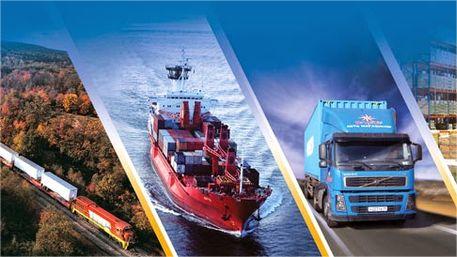
While sea freight is economical, air freight offers significantly faster transit times for urgent shipments or high-value electronics. For instance, air transport takes 5 to 7 days, whereas ocean transit typically takes 20 to 30 days depending on the destination port. Nevertheless, the cost difference is substantial for heavy cargo, making sea freight the preferred choice for bulk goods.
Moreover, express services provide the fastest possible delivery but at a premium price point that may not suit large inventory replenishments. In contrast, sea freight offers a balance of capacity and cost that few other methods can match. Accordingly, businesses often use a hybrid strategy, shipping the majority of stock by sea and urgent refills by air.
| Shipping Method | Cost Range | Transit Time | Best For |
|---|---|---|---|
| Sea Freight | $1,500 – $4,500 | 18 – 35 Days | Bulk & Heavy Goods |
| Air Freight | $5.00 – $12.00/kg | 5 – 8 Days | Urgent & High Value |
| Express Service | $8.00 – $15.00/kg | 3 – 5 Days | Small Samples |
| Sea-Air Hybrid | Medium | 12 – 18 Days | Balanced Priority |
FCL vs LCL: Choosing the Right Container Strategy
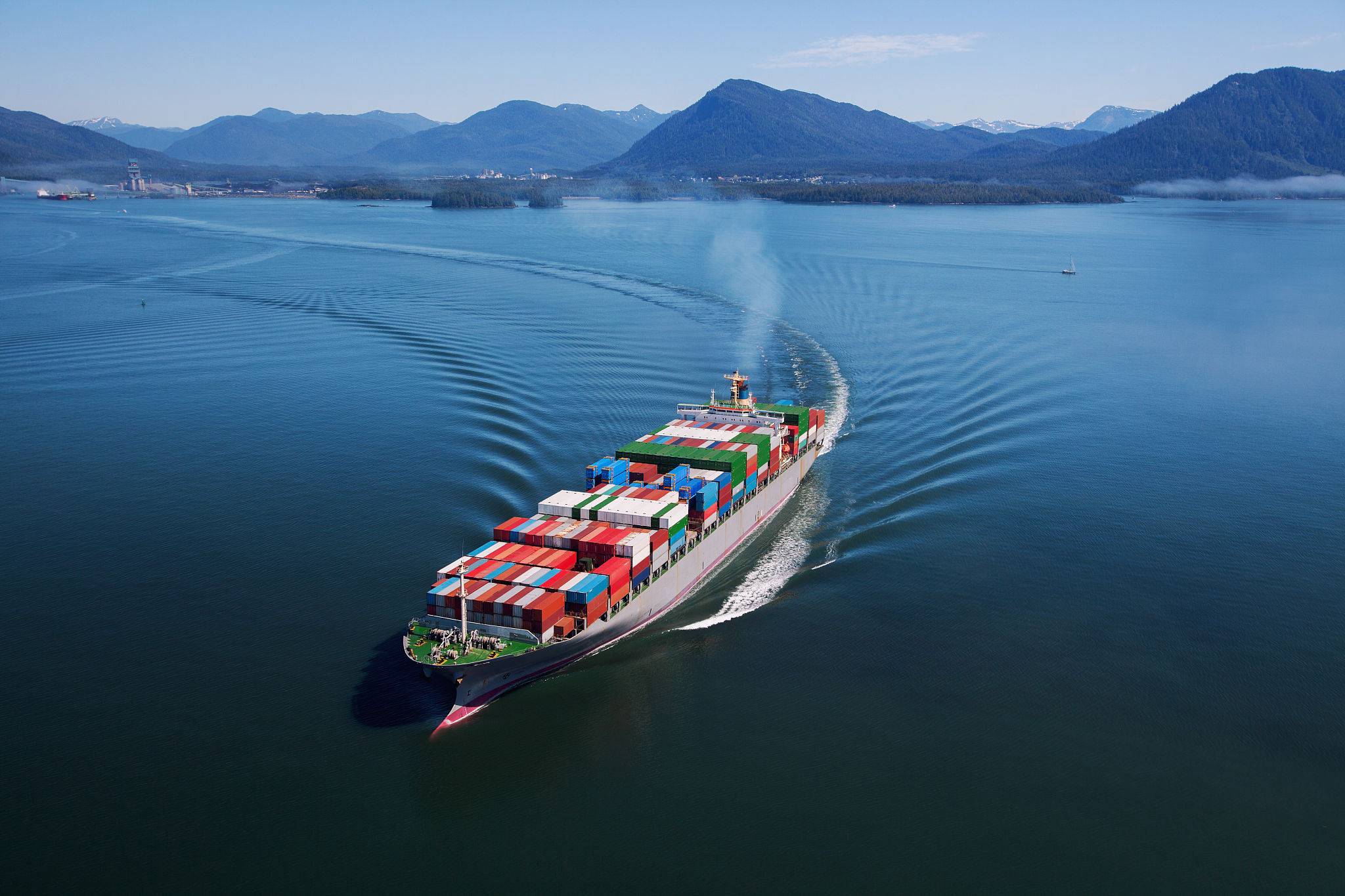
Full Container Load (FCL) shipping is ideal for businesses that have enough cargo to fill a 20ft or 40ft container. This method offers better security and faster handling because the container remains sealed from the origin to the destination. On the other hand, Less than Container Load (LCL) allows smaller importers to share container space and only pay for the volume they use.
However, LCL shipments may experience slightly longer transit times due to the consolidation and deconsolidation processes at the ports. Consequently, if your volume exceeds 15 cubic meters, switching to a 20GP container often becomes more economical. Indeed, calculating the break-even point between LCL and FCL is a critical step in logistics planning.
Essential Steps in the Sea Freight Process
Many importers prefer a door to door service to simplify the entire logistics chain from factory to warehouse. This comprehensive solution covers everything from the initial pickup in China to the final trucking in Canada. Additionally, it eliminates the need to coordinate with multiple local vendors, which reduces the chance of administrative errors.
Meanwhile, the process begins with a formal booking and the preparation of the Bill of Lading, which serves as the title to the goods. Following this, the cargo undergoes export customs clearance in China before being loaded onto the vessel. Subsequently, the ship crosses the Pacific, arriving at major hubs like Vancouver or Prince Rupert for processing.
Customs Brokerage and Compliance in Canada
Navigating Canadian regulations requires expert customs brokerage to avoid unnecessary delays at the port of discharge. Professional agents ensure all paperwork, such as the commercial invoice and packing list, meets all federal requirements. Furthermore, accurate classification of goods under the Harmonized System prevents costly fines and ensures correct duty payments.
As a result, working with a licensed broker helps you take advantage of trade agreements and duty drawback programs where applicable. They handle the complex electronic data interchange with customs authorities, ensuring your cargo is cleared before the ship even docks. Therefore, investing in professional compliance services pays for itself by avoiding storage fees and penalties.
Transit Times and Cost Factors for 2025
Shipping to North America involves specific port dynamics and inland trucking considerations that affect the total timeline. Whether you are shipping to the West Coast or the East Coast, regional logistics trends impact your final delivery schedule. Accordingly, planning for seasonal peaks, such as the period before the Lunar New Year, is essential for maintaining stock levels.
Typical rates as of early 2025 suggest that West Coast ports like Vancouver offer the fastest and cheapest entry points for Chinese goods. In contrast, shipping to Toronto or Montreal via the East Coast or by rail from the West adds both time and cost. Nevertheless, the total landed cost remains much lower than air transport for the vast majority of consumer goods.
| Route (China to Canada) | 20GP Container | 40HQ Container | Transit Time |
|---|---|---|---|
| Shanghai to Vancouver | $1,600 – $2,200 | $2,800 – $3,600 | 16 – 20 Days |
| Shenzhen to Toronto | $2,400 – $3,200 | $4,200 – $5,400 | 28 – 35 Days |
| Ningbo to Montreal | $2,500 – $3,300 | $4,400 – $5,600 | 30 – 38 Days |
| Qingdao to Vancouver | $1,700 – $2,300 | $2,900 – $3,800 | 18 – 22 Days |

Real-World Logistics Case Studies
Case Study 1: Electronics from Shenzhen to Vancouver. A Canadian retailer imported 40HQ of consumer electronics using a direct sea route. The cargo size was 68 CBM with a weight of 12,000 kg. Ocean freight cost $3,200 with a total door-to-door timeline of 24 days. Key Insight: Booking 3 weeks in advance secured a lower rate during the Q3 peak season.
Case Study 2: Furniture from Ningbo to Toronto. An interior design firm used LCL shipping for 8 CBM of high-end furniture. The total landed cost was $2,100 including customs and destination handling. Sea transit took 32 days via the Panama Canal. Key Insight: Professional palletizing prevented damage during the multiple handling stages of LCL transport.
Note: Freight rates are subject to change based on fuel costs, carrier capacity, and seasonal demand. Contact us for a current quote tailored to your specific shipment.
Which Option Should You Choose?
Budget priority dictates that you should recommend sea freight for any shipment over 200 kilograms or 1 cubic meter. Speed priority suggests that air freight is the only viable option for goods that must arrive in less than two weeks. For cargo type considerations, fragile or perishable items may benefit from the shorter handling time of air or express services.
Volume thresholds for switching methods are generally around the 15 CBM mark, where a full 20GP container becomes cheaper than LCL. In addition, consider hybrid solutions like sea-to-Vancouver followed by rail-to-Toronto to balance speed and cost. To summarize, your choice depends on a careful analysis of your specific inventory needs and financial constraints.
Optimizing Your Sea Freight Strategy
Successfully managing sea freight china professional canada logistics requires a blend of careful planning, expert brokerage, and reliable carrier partnerships. By understanding the differences between FCL and LCL, and monitoring market trends, you can significantly reduce your shipping expenses. Moreover, working with a professional forwarder ensures that your business remains compliant with all international and Canadian regulations.
Ultimately, the goal is to create a resilient supply chain that can withstand seasonal fluctuations and global logistics challenges. Therefore, prioritize transparency and expertise when selecting your shipping partner for the China to Canada route. With the right strategy, sea freight will continue to be the backbone of your international trade operations.
Ready to streamline your logistics?
Streamline your supply chain today with our sea freight china professional canada services. Contact our logistics experts to receive a customized quote and ensure your next shipment arrives on time and within budget. Visit our website to start your inquiry now.
Request Quote