

China Export Logistics Factory Shipping: Ultimate 2025 Guide
Optimizing your china export logistics factory shipping is the most critical step for maintaining a competitive edge in the global marketplace. Businesses often struggle with complex regulations and fluctuating freight rates when moving goods from Chinese manufacturing hubs to international destinations. This comprehensive guide provides actionable insights to help you navigate the intricacies of international trade. Visit China Cargo Ship to discover how professional logistics management can transform your supply chain efficiency and reduce overall landed costs.

How Does Sea Freight Compare to Other Shipping Options?
Choosing the right transport mode is the foundation of effective china export logistics factory shipping management. While sea freight remains the most popular choice for bulk cargo, it is not always the most efficient for every business model. Consequently, importers must evaluate the trade-offs between speed, cost, and reliability.
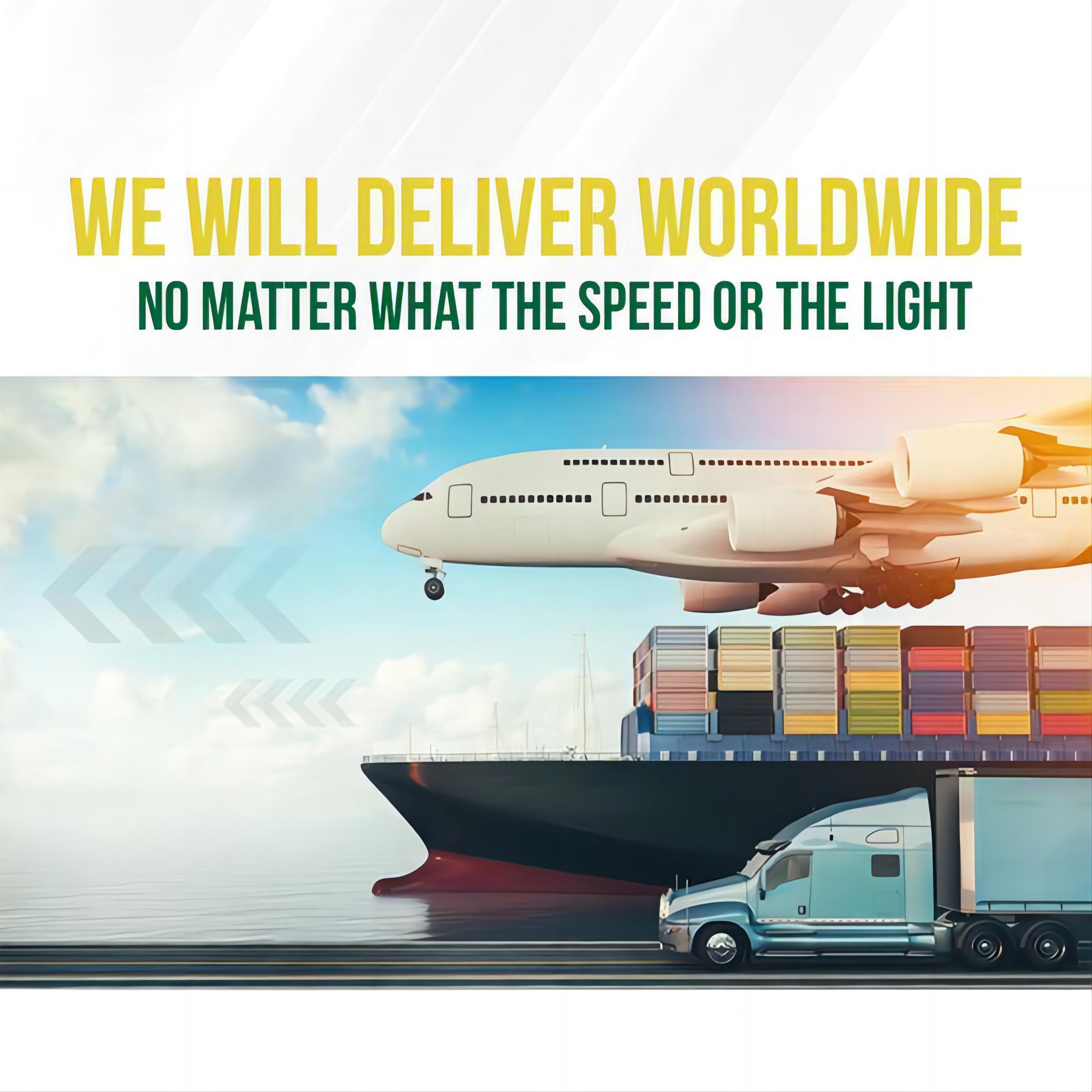
Specifically, sea freight offers unparalleled capacity for large machinery or high-volume consumer goods. However, the transit times are significantly longer compared to air or express services. Therefore, planning your production schedule around these longer lead times is essential for maintaining inventory levels.
In contrast, air transport provides rapid delivery for high-value items that require quick market entry. Although the cost per kilogram is higher, the reduced inventory holding costs can sometimes justify the expense. Businesses often use a mix of both methods to balance their logistics budget throughout the year.
| Method | Cost Range | Transit Time | Best For |
|---|---|---|---|
| Sea Freight | Low | 25-45 Days | Bulk Cargo |
| Air Freight | High | 3-7 Days | Urgent Goods |
| Rail Freight | Medium | 15-22 Days | Europe Routes |
| Express | Very High | 2-5 Days | Samples |
Navigating the Complexity of China Export Logistics Factory Shipping
Manufacturing in China requires a deep understanding of the local logistics infrastructure to ensure timely delivery. Most factories are located in industrial clusters that have direct access to major ports like Shanghai, Ningbo, or Shenzhen. Furthermore, the coordination between the factory floor and the freight forwarder is vital for a smooth handover.
Moreover, the term china export logistics factory shipping encompasses everything from the initial booking to final delivery at your warehouse. Indeed, many suppliers offer different Incoterms, such as FOB or EXW, which change who is responsible for the logistics costs. Understanding these terms helps you avoid unexpected charges during the shipping process.
Additionally, the global supply chain has faced numerous disruptions recently, making flexibility a key asset. For instance, port congestion or seasonal peaks can lead to significant delays if you do not have a backup plan. Working with an experienced partner allows you to pivot your strategy when market conditions change suddenly.
Why Consider Air Freight for Urgent Shipments?
When time is of the essence, air freight stands out as the most reliable solution for global trade. Many electronics and fashion brands rely on this method to meet tight seasonal deadlines or restock popular items quickly. Consequently, the speed of air transport minimizes the risk of stockouts during peak shopping periods.
Meanwhile, air transport also offers higher security for sensitive or fragile cargo. Because the handling process is more streamlined than sea transport, there is a lower risk of damage during transit. Nevertheless, you must ensure that your packaging meets strict airline standards to avoid rejection at the airport.
Accordingly, the cost of air shipping is calculated based on either actual weight or volumetric weight. Therefore, optimizing your product packaging to reduce volume can lead to significant savings on your total freight bill. It is always wise to compare quotes for different weight tiers before finalizing your booking.
The Strategic Advantage of Rail Freight to Europe
For businesses targeting Western markets, rail freight has emerged as a powerful alternative to traditional sea and air routes. This method is particularly effective for shipments traveling from inland Chinese cities to major European hubs. As a result, companies can achieve a perfect balance between cost and speed.
Furthermore, rail transport is generally more environmentally friendly than air freight, which appeals to eco-conscious brands. Since the China-Europe Railway Express connects dozens of cities, you can often find a terminal close to your factory. However, keep in mind that rail freight is not an option for shipping to island nations like Australia.
In addition, rail transit times are roughly half those of sea freight, typically taking between 15 and 20 days. This makes it an excellent choice for mid-value goods that are too heavy for planes but too urgent for ships. Always check the current rail schedules as they can vary based on geopolitical stability along the route.
Essential Customs Brokerage for Seamless Exports
Navigating the legal requirements of international trade is impossible without professional customs brokerage services. Every shipment leaving a Chinese factory must pass through rigorous inspections and documentation checks. Consequently, even a small error in the commercial invoice can lead to costly delays or fines.
Moreover, different countries have unique import duties and tax structures that you must account for in your pricing. For example, specific product categories may be subject to anti-dumping duties or environmental levies. Therefore, having a broker who understands the latest regulations is essential for avoiding legal complications.
Indeed, the documentation process usually includes the Bill of Lading, Packing List, and Certificate of Origin. Without a doubt, ensuring these documents are accurate and submitted on time is the best way to prevent your cargo from being held at the port. Your logistics partner should provide a clear checklist for every shipment.
The Convenience of Door to Door Logistics Solutions
Many modern importers prefer a door to door service to simplify their operations. This comprehensive solution covers every step of the journey, from the factory gate in China to your final destination. As a result, you can focus on sales and marketing while the logistics experts handle the heavy lifting.
Additionally, this service often includes local trucking, ocean or air freight, and final mile delivery. Because you are dealing with a single point of contact, communication is much more streamlined. This reduces the likelihood of misunderstandings that often occur when using multiple service providers.
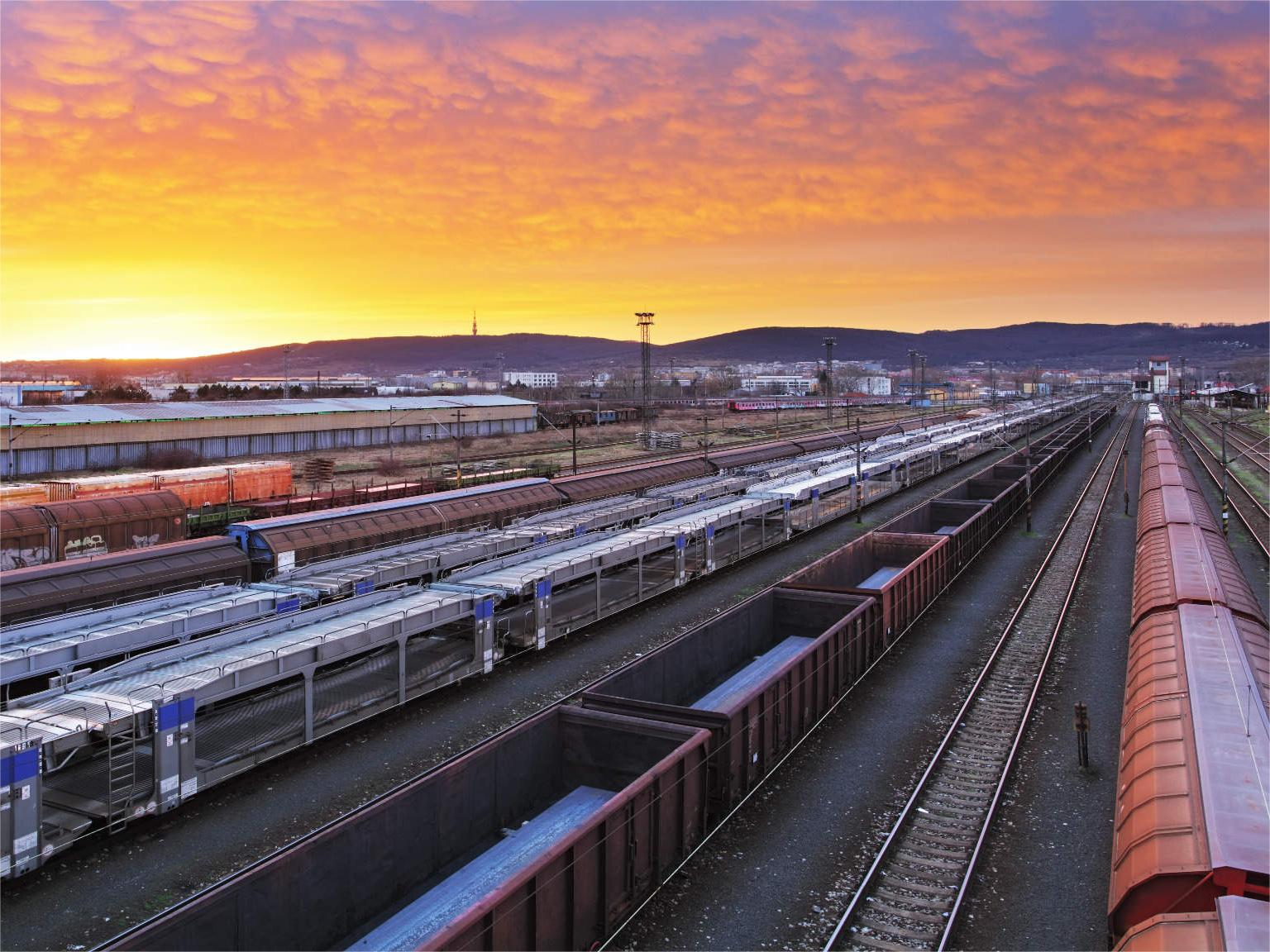
Furthermore, door-to-door shipping provides better visibility through integrated tracking systems. You can monitor the progress of your goods in real-time, allowing for better inventory planning. While the upfront cost might seem higher, the time saved and the reduction in hidden fees often make it the most cost-effective choice.
Shipping to North America, Europe, and Australia
Regional differences play a massive role in how you manage your china export logistics factory shipping strategy. For instance, North America routes often face congestion at West Coast ports like Los Angeles and Long Beach. Consequently, many importers are exploring East Coast ports via the Panama Canal to ensure reliability.
On the other hand, Europe offers diverse entry points through major ports like Rotterdam, Hamburg, and Antwerp. The choice of port often depends on the final destination of the goods within the continent. Moreover, the integration of rail and road networks in Europe allows for efficient onward distribution.
Meanwhile, shipping to Australia is almost exclusively handled via sea or air due to its geographic isolation. Transit times to major cities like Sydney or Melbourne are relatively short compared to Northern Hemisphere routes. However, Australia has very strict biosecurity laws that require specialized knowledge during the packing process.
Realistic Case Studies in China Logistics
Examining real-world scenarios helps illustrate the practical challenges of china export logistics factory shipping. These cases reflect actual market conditions as of late 2024 and early 2025. By learning from these examples, you can better anticipate the costs and timelines for your own shipments.
Case Study 1: Furniture Export to the United States. A manufacturer in Foshan shipped a 40HQ container of home furniture to Los Angeles. Using a direct sea route with a major carrier, the ocean freight cost was approximately 3,200 USD. The total door-to-door transit time, including customs clearance, was 22 days, which is typical for the current market.
Case Study 2: Electronics to the United Kingdom. A Shenzhen factory sent 500kg of high-end tablets to London via air freight. The cost was roughly 4.50 USD per kg, totaling 2,250 USD for the freight alone. Because the shipment was urgent, it arrived at the destination warehouse in just 6 days, proving the value of speed over cost.
| Route | Cargo Type | Total Cost | Total Time |
|---|---|---|---|
| Ningbo to Hamburg | 40GP Apparel | 3,850 USD | 34 Days |
| Shanghai to Sydney | 20GP Machinery | 1,600 USD | 16 Days |
| Shenzhen to New York | LCL Electronics | 950 USD | 38 Days |
Which Shipping Option Should You Choose?
Deciding on the best logistics strategy requires a careful analysis of your specific business needs. If your primary goal is to minimize costs, then sea freight is undoubtedly the best option for high-volume orders. However, you must be prepared for the longer transit times and potential port delays.
On the other hand, if you are launching a new product or responding to a sudden surge in demand, air freight is the logical choice. The higher cost is often offset by the ability to capture market share quickly. For shipments to Europe, rail freight offers a compelling middle ground that many businesses are now adopting.
Finally, consider the nature of your cargo when making your decision. Perishable goods or high-value items require the speed and security of air or express services. For heavy, durable goods, the slow and steady approach of sea freight remains the industry standard. Always consult with a logistics expert to tailor a solution to your unique requirements.
Mastering Your Factory Shipping Strategy
In conclusion, successful china export logistics factory shipping requires a combination of strategic planning, reliable partnerships, and market knowledge. By understanding the differences between sea, air, and rail freight, you can make informed decisions that benefit your bottom line. Furthermore, staying updated on customs regulations and regional logistics trends will help you avoid unnecessary delays.
As the global trade landscape continues to evolve, having a flexible and responsive supply chain is more important than ever. Whether you are shipping to North America, Europe, or Australia, the right logistics partner can make all the difference. Start implementing these strategies today to ensure your goods move from the factory to the customer as efficiently as possible.
Ready to streamline your logistics?
Ready to optimize your china export logistics factory shipping and save on your next shipment? Contact our expert team today for a personalized quote and professional guidance. Send Inquiry: https://chinacargoship.com/contact-us/
Request Quote