

China Cargo Shipping Cheap USA: Low-Cost Logistics Guide 2025
Finding China cargo shipping cheap USA solutions is a primary goal for businesses looking to maintain healthy profit margins in a competitive market. At China Cargo Ship, we specialize in streamlining your logistics to ensure you receive the most cost-effective rates available. Consequently, understanding the nuances of international freight can help you navigate the complexities of global trade more effectively.
Why China Cargo Shipping Cheap USA Solutions Are Essential for Growth
In the current economic climate, reducing overhead is vital for any importer. Therefore, locating affordable shipping routes from major Chinese hubs to American ports remains a top priority.
Moreover, the volatility of fuel prices and seasonal demand often makes it difficult to predict long-term expenses. However, utilizing a strategic approach to logistics can mitigate these risks significantly.
Additionally, many businesses overlook the importance of route optimization. By choosing the right port of entry, you can drastically reduce the final landed cost of your products.
Furthermore, modern supply chain management relies heavily on data-driven decisions. Indeed, analyzing historical freight rates helps in identifying the best times to book your shipments.
Consequently, companies that master these logistics trends often gain a significant competitive advantage. This guide explores the various ways to secure the best pricing for your cargo.
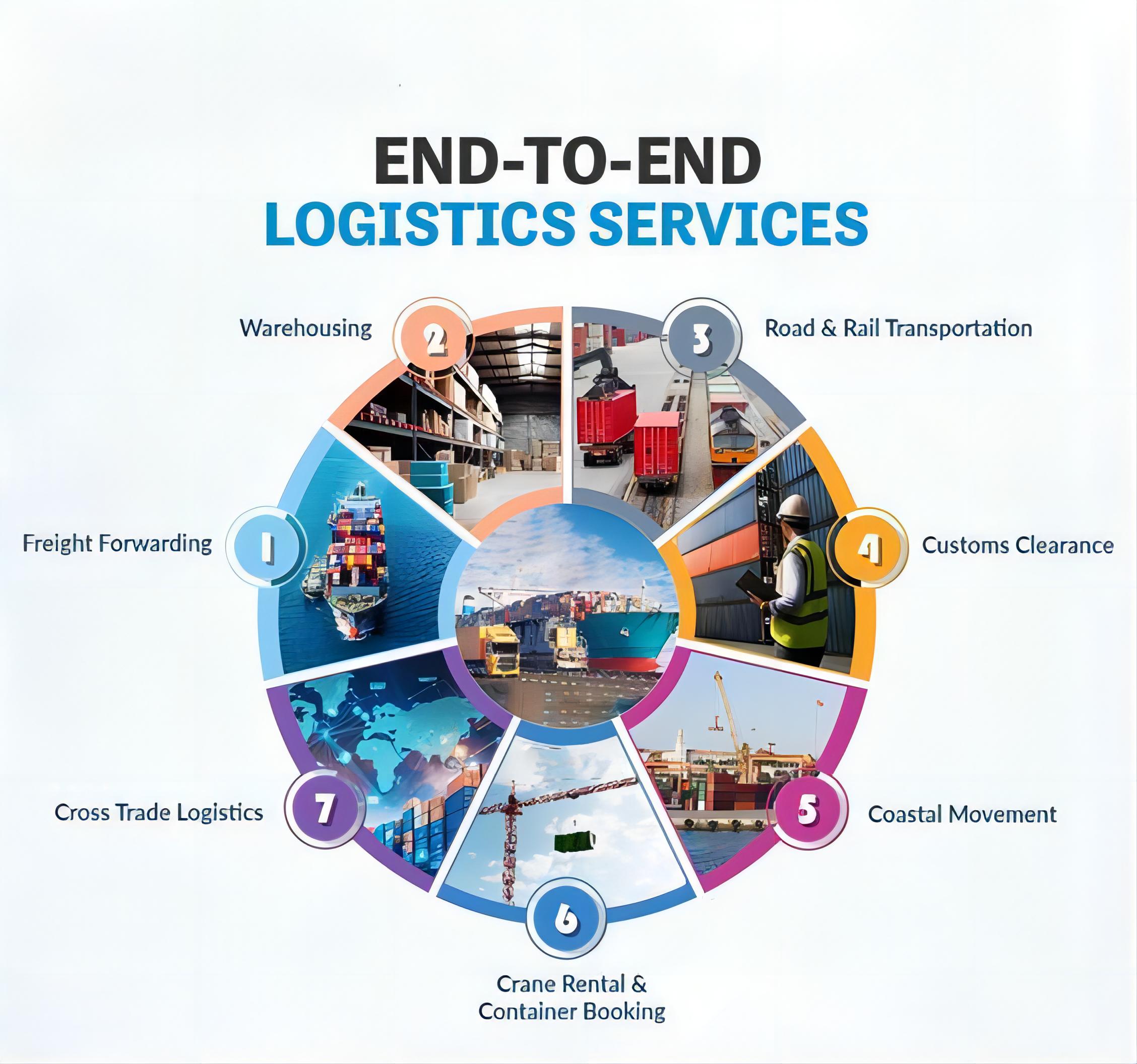
Comparing Ocean Freight and Air Freight Costs
When searching for China cargo shipping cheap USA options, the choice between air and sea is the most critical decision. While air freight offers speed, it often comes at a premium price point.
On the other hand, sea freight is the go-to method for large volumes due to its economy of scale. As a result, most bulk importers prefer ocean transport for non-urgent goods.
Nevertheless, the transit time for sea freight can range from 15 to 40 days depending on the specific US coast. For instance, shipping to the West Coast is significantly faster and cheaper than the East Coast.
In contrast, air freight can deliver goods within 3 to 7 days. Thus, it is ideal for high-value items or urgent inventory replenishment despite the higher cost per kilogram.
Ultimately, the best choice depends on your specific timeline and budget constraints. Below is a detailed comparison to help you decide.
| Method | Cost Range | Transit Time | Best For |
|---|---|---|---|
| Sea Freight (FCL) | $2,500 – $6,000 | 18-40 Days | Bulk inventory |
| Sea Freight (LCL) | $80 – $150/CBM | 25-45 Days | Small volumes |
| Air Freight | $5.00 – $12.00/kg | 3-7 Days | Urgent goods |
| Express Service | $8.00 – $18.00/kg | 2-5 Days | Samples/Small |
Understanding FCL and LCL Pricing Models
For those prioritizing China cargo shipping cheap USA rates, understanding the difference between FCL and LCL is paramount. Full Container Load (FCL) means you rent the entire container for your goods.
Conversely, Less than Container Load (LCL) allows you to share space with other shippers. This is often more economical if you do not have enough cargo to fill a 20-foot or 40-foot container.
However, LCL can sometimes involve additional handling fees at the port of discharge. Therefore, calculating the total cost per cubic meter is essential before making a final booking.
Typically, if your shipment exceeds 15 cubic meters, switching to FCL might actually be cheaper. In addition, FCL shipments generally face fewer delays because they do not require consolidation or deconsolidation.
Note: Freight rates are subject to change based on fuel costs, carrier capacity, and seasonal demand. Contact us for a current quote tailored to your specific shipment.
| Container Type | Capacity (CBM) | Avg. Price (West) | Avg. Price (East) |
|---|---|---|---|
| 20GP Container | 33 CBM | $1,800 – $2,500 | $3,000 – $4,000 |
| 40GP Container | 67 CBM | $2,800 – $3,800 | $4,500 – $5,500 |
| 40HQ Container | 76 CBM | $3,000 – $4,200 | $4,800 – $6,000 |
How Does Sea Freight Compare to Other Shipping Options?
Objective analysis shows that sea freight remains the backbone of the China-USA trade lane. While rail freight is a popular alternative for China-Europe routes, it is not a viable option for trans-Pacific shipments.
Consequently, shippers must choose between sea-air hybrids or direct ocean routes. A sea-air solution might involve shipping to a mid-point like Korea or Japan by sea and then flying the goods to the USA.
Furthermore, direct shipping routes to the West Coast save significant time compared to transshipment routes. However, transshipment can sometimes offer a lower price point if you are not in a hurry.
In addition, using a multi-modal approach can help bypass port congestion. For example, shipping to a less crowded port and then using trucking services can often be faster than waiting at a major hub.
To summarize, sea freight offers the best balance of cost and capacity for the majority of commercial shipments.
| Shipping Method | Cost Range | Transit Time | Limitations |
|---|---|---|---|
| Direct Ocean | Moderate | 14-25 Days | Port congestion |
| Transshipment | Low | 30-45 Days | Longer transit |
| Sea-Air Hybrid | High | 10-15 Days | Complex booking |

The Impact of Professional Customs Brokerage on Total Cost
Navigating the customs brokerage process is a critical step in keeping your shipping costs low. Indeed, incorrect documentation can lead to heavy fines and storage fees at the port.
Moreover, a professional broker ensures that your goods are classified correctly under the Harmonized System (HS) codes. This classification directly affects the amount of import duties you will pay to US Customs.
Additionally, staying compliant with the latest trade regulations prevents costly delays. For instance, missing a single document can hold up an entire container for weeks, accruing daily demurrage charges.
Therefore, investing in expert brokerage services often pays for itself by avoiding these hidden costs. Consequently, businesses that prioritize compliance tend to see more consistent delivery schedules.
In contrast, DIY customs filing often leads to errors that can trigger audits. Thus, partnering with an experienced agent is highly recommended for all international shipments.
Implementing Door to Door Strategies for Maximum Efficiency
Many importers find that door to door services offer the most convenience and transparency. This method covers everything from the factory floor in China to your warehouse in the USA.
Furthermore, door to door shipping simplifies your accounting because you receive a single invoice for the entire journey. As a result, you do not have to manage multiple vendors or unexpected local delivery fees.
Additionally, this service often includes last-mile delivery, which is a major component of the total logistics cost. By bundling these services, you can often negotiate a better overall rate.
However, you should always verify what is included in your quote. For example, some quotes might exclude duties and taxes, which can be a significant portion of the total landed cost.
Meanwhile, the reliability of door to door services makes them ideal for e-commerce businesses. Indeed, having a single point of contact reduces the risk of communication breakdowns during transit.
Utilizing Express Service for Urgent Low-Volume Shipments
When time is of the essence, an express service is often the most effective solution. This method is particularly useful for shipping samples or high-demand items that need to reach the market quickly.
Moreover, express carriers like DHL, FedEx, and UPS provide excellent tracking capabilities. Consequently, you can monitor your shipment’s progress in real-time, providing peace of mind during urgent situations.
Nevertheless, express shipping is generally the most expensive option on a per-kilogram basis. Therefore, it should be used strategically for small, lightweight, or high-margin products.
In addition, express services usually include basic customs clearance in their pricing. This makes it a very user-friendly option for new importers who are not yet familiar with complex logistics procedures.
However, for larger shipments, the cost of express service can quickly become prohibitive. Accordingly, most businesses transition to air or sea freight as their order volumes increase.

Real-World Case Studies of Low-Cost Shipping
Analyzing real-world examples provides valuable insights into how China cargo shipping cheap USA strategies work in practice. Below are two scenarios based on actual market data from late 2024 and early 2025.
These cases highlight the importance of choosing the right method based on cargo volume and destination. Furthermore, they demonstrate the impact of port selection on the total timeline and cost.
Case Study 1: Electronics from Ningbo to Los Angeles. Route: Ningbo Port to Port of Long Beach. Cargo: 12 CBM of consumer electronics. Method: LCL Sea Freight. Ocean Freight: $1,150. Origin/Destination Charges: $450. Customs: $200. Total Landed Cost: $1,800. Timeline: 22 days door-to-door. Key Insight: Choosing the West Coast saved $1,200 compared to an East Coast route.
Case Study 2: Apparel from Shenzhen to New York. Route: Shenzhen Yantian to Port of Newark. Cargo: 40HQ Container of textiles. Method: FCL Sea Freight. Ocean Freight: $4,600. Origin/Destination Charges: $850. Customs: $550. Total Landed Cost: $6,000. Timeline: 38 days door-to-door. Key Insight: Booking 4 weeks in advance secured a rate 15 percent lower than the peak season average.
Note: These rates are based on Q4 2024 market benchmarks and are subject to seasonal fluctuations.
Decision Framework: Which Option Should You Choose?
To determine the best shipping strategy, you must first evaluate your priorities. If budget is your primary concern, sea freight is almost always the winner.
On the other hand, if you need to replenish stock within a week, air freight or express service is necessary. Additionally, consider the nature of your cargo; fragile or perishable items may require faster transit times.
Furthermore, volume thresholds play a huge role. For shipments under 2 CBM, express is often competitive. Between 2 and 15 CBM, LCL is usually best. Over 15 CBM, you should look at FCL options.
Consequently, a hybrid strategy often works best for growing businesses. For example, you might ship 10 percent of your order via air to meet immediate demand and the remaining 90 percent via sea to save costs.
In summary, balancing speed, cost, and reliability is the key to successful international logistics.
Final Thoughts on Affordable Shipping
Achieving China cargo shipping cheap USA results requires a combination of strategic planning and expert partnerships. By understanding the differences between sea, air, and express services, you can make informed decisions that protect your bottom line.
Furthermore, focusing on customs compliance and route optimization will help you avoid the hidden fees that often plague inexperienced importers. Indeed, the right logistics strategy is a cornerstone of business success in the global marketplace.
To summarize, always compare multiple quotes and stay updated on market trends to ensure you are getting the best possible value for your shipping budget.

Ready to streamline your logistics?
Ready to secure the best rates for your next shipment? Our team of logistics experts is standing by to help you find China cargo shipping cheap USA solutions that fit your budget and timeline. Send Inquiry link: Visit https://chinacargoship.com to request your custom quote today and start saving on your international freight costs.
Request Quote