
Sea Freight China Supplier Logistics: The Ultimate 2025 Guide
Managing sea freight china supplier logistics effectively is the backbone of any successful international trade business. However, navigating the complexities of ocean transport requires a deep understanding of carrier schedules, port operations, and local regulations. By partnering with China Cargo Ship, you can streamline your procurement process and ensure that your goods move seamlessly from the factory floor to your warehouse. This guide provides comprehensive insights into optimizing your shipping strategy to maintain a competitive edge in the global market.
What is Sea Freight China Supplier Logistics?
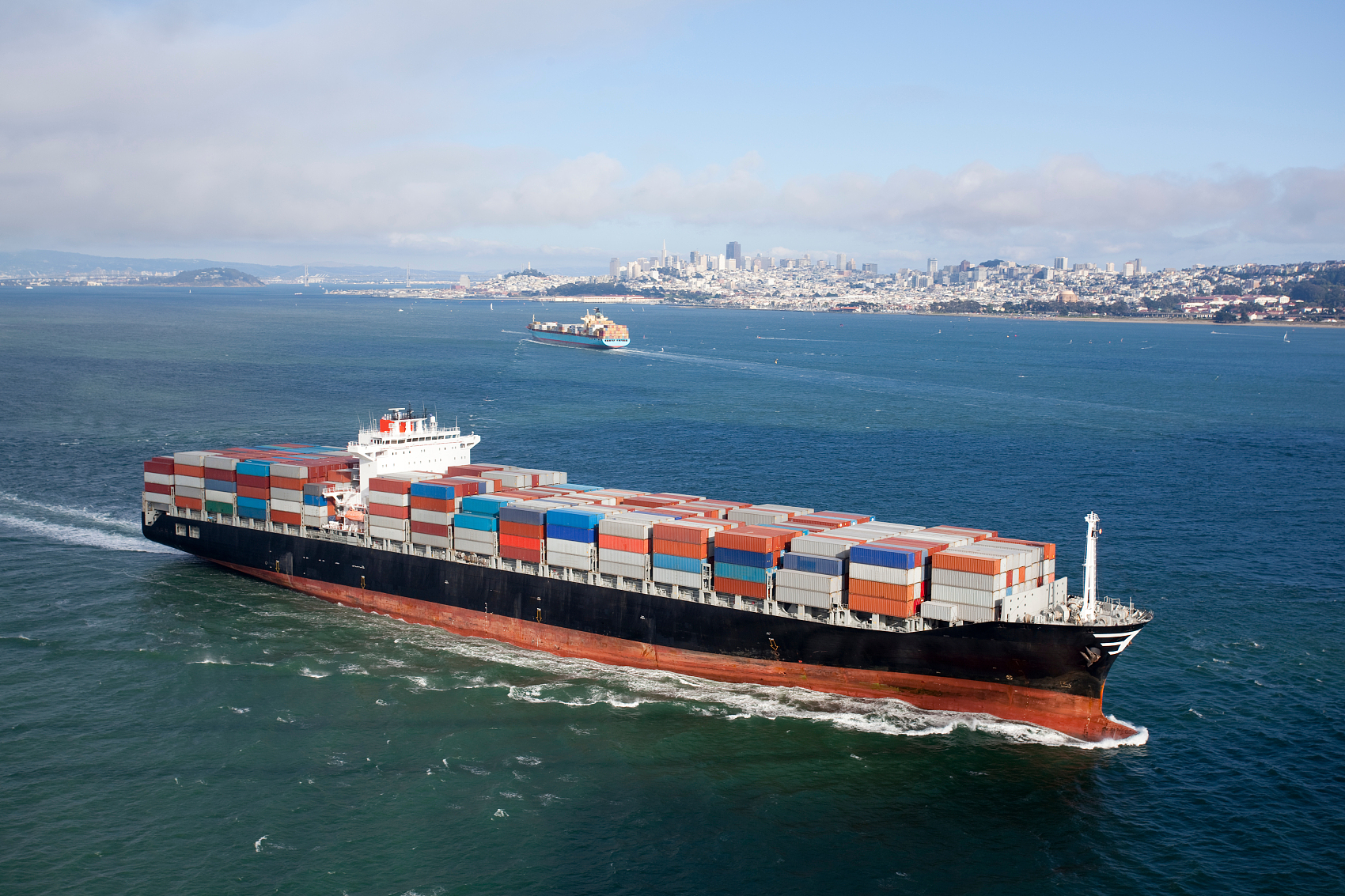
Sea freight china supplier logistics refers to the entire process of transporting goods from a manufacturer in China to an international destination via ocean vessels. Indeed, this involves a series of coordinated steps including inland transportation, warehousing, and port handling. Consequently, businesses must understand every link in the chain to avoid unexpected delays or costs.
Moreover, the logistics network in China is vast and highly sophisticated, centered around major hubs like Shanghai, Ningbo, and Shenzhen. These ports serve as the primary gateways for global trade, handling millions of containers annually. Therefore, selecting the right port of loading is a critical decision that impacts your overall transit time and inland trucking expenses.
Furthermore, the coordination between your supplier and the freight forwarder is essential for a smooth operation. Most suppliers operate under Incoterms like FOB or EXW, which dictate who is responsible for the costs and risks at each stage. Accordingly, you must clarify these terms early in the negotiation process to ensure your logistics provider can take over the shipment at the appropriate time.
Additionally, sea freight remains the most cost-effective method for shipping large volumes of cargo over long distances. While it is slower than other modes, the economies of scale it offers are unmatched for bulk commodities and heavy machinery. In contrast, smaller shipments might require different strategies to remain financially viable.
Why Choose Sea Freight China Supplier Logistics for Your Business?
Choosing sea freight offers significant financial advantages for companies importing large quantities of goods. Specifically, the cost per unit is much lower when compared to air or express services, which allows for higher profit margins. Consequently, many retail and manufacturing businesses rely on ocean transport as their primary shipping method.
In addition, sea freight provides the capacity to move oversized or hazardous materials that are often restricted in air transport. For instance, heavy industrial equipment and large-scale electronics are best suited for containerized shipping. Meanwhile, the flexibility of choosing between full container loads and shared containers allows businesses of all sizes to participate in international trade.
Notably, the environmental impact of ocean shipping is lower per ton-mile than air transport. As sustainability becomes a priority for modern corporations, opting for sea freight can help reduce the overall carbon footprint of your supply chain. Furthermore, modern vessels are increasingly efficient, utilizing advanced technology to minimize fuel consumption and emissions.
Nevertheless, the long transit times associated with sea freight require careful inventory planning and forecasting. Businesses must account for the weeks spent at sea to ensure they do not run out of stock during peak seasons. Therefore, integrating sea freight into a broader logistics strategy is vital for maintaining a consistent supply of products.
How Does Sea Freight Compare to Other Shipping Options?
When evaluating your logistics strategy, it is important to compare sea freight with alternative methods like air freight or rail transport. Each mode has distinct trade-offs regarding speed, cost, and reliability. For example, while air freight is incredibly fast, it is often five to ten times more expensive than sea transport for the same volume.
On the other hand, sea freight offers the best value for non-urgent shipments that can afford a longer lead time. If your cargo is not time-sensitive, the savings generated from ocean shipping can be reinvested into marketing or product development. Consequently, many experienced importers use a hybrid approach, using sea freight for the bulk of their stock and air freight for emergency refills.
Furthermore, the choice between these methods often depends on the specific destination and infrastructure availability. For routes to landlocked regions, a combination of sea and rail or sea and truck might be necessary. To summarize, understanding the strengths and weaknesses of each shipping method is crucial for optimizing your global logistics costs.
| Shipping Method | Cost Range | Transit Time | Best For |
|---|---|---|---|
| Sea Freight | $1,500 – $4,500 | 20 – 45 Days | Bulk goods, heavy items |
| Air Freight | $5,000 – $15,000 | 3 – 7 Days | Urgent, high-value goods |
| Rail Freight | $2,500 – $5,500 | 15 – 22 Days | Europe-bound shipments |
| Express Service | $8,000 – $20,000 | 2 – 5 Days | Samples, small parcels |
Understanding FCL and LCL in Sea Freight China Supplier Logistics
In the world of sea freight china supplier logistics, you will primarily choose between Full Container Load (FCL) and Less than Container Load (LCL). FCL means you have exclusive use of a 20ft or 40ft container, which is ideal for large shipments. Conversely, LCL involves sharing container space with other shippers, making it a cost-effective choice for smaller volumes.
Actually, FCL is often faster and safer because the container is sealed at the origin and only opened at the destination. This reduces the risk of damage during handling and simplifies the customs clearance process. Meanwhile, LCL requires a consolidation phase at the port of loading and a decontamination phase at the port of discharge, which can add several days to the total transit time.
However, LCL offers the flexibility to ship only what you need without waiting to fill an entire container. This is particularly useful for small businesses or those testing new products in the market. Consequently, the choice between FCL and LCL should be based on your cargo volume, budget, and how quickly you need the goods to arrive.
To decide effectively, calculate the total volume of your shipment in cubic meters (CBM). Generally, if your shipment exceeds 15 CBM, FCL becomes more economical than LCL due to the flat-rate pricing of full containers. In contrast, for shipments under 10 CBM, LCL is almost always the more affordable route.
Transit Times for Major Global Routes
Transit times for sea freight china supplier logistics vary significantly depending on the destination and the specific shipping lane used. For instance, shipments to North America usually take between 14 and 35 days, depending on whether you are shipping to the West Coast or the East Coast. Typically, direct routes to Los Angeles are the fastest options available.
Similarly, shipping to Europe generally takes between 30 and 45 days, as vessels must navigate through the Suez Canal. Recent disruptions in certain maritime corridors have occasionally extended these times, making buffer periods in your schedule more important than ever. Nevertheless, major ports like Rotterdam and Hamburg remain highly efficient for handling large volumes.
For those importing to Australia, the transit time is relatively short, often ranging from 12 to 20 days. Because of the geographical proximity, this route is one of the most reliable in terms of scheduling. In any case, you should always check with your logistics provider for the most current vessel schedules and potential port congestion updates.
| Destination Port | Origin Port | Estimated Transit | Route Type |
|---|---|---|---|
| Los Angeles, USA | Shanghai | 14-18 Days | Direct |
| New York, USA | Shenzhen | 30-35 Days | Via Panama Canal |
| Rotterdam, NL | Ningbo | 32-38 Days | Via Suez Canal |
| Sydney, AU | Guangzhou | 15-20 Days | Direct |
Essential Documentation for Smooth Customs Clearance
Navigating the legal requirements of international trade requires meticulous attention to detail regarding documentation. Utilizing a professional customs brokerage service can prevent your cargo from being held up at the border due to paperwork errors. Indeed, even a small mistake in a commercial invoice or bill of lading can lead to significant fines and storage fees.
Specifically, the most important documents include the Bill of Lading, Commercial Invoice, Packing List, and Certificate of Origin. The Bill of Lading acts as both a receipt for the goods and a contract of carriage between the shipper and the carrier. Meanwhile, the Commercial Invoice provides the valuation of the goods used by customs authorities to calculate duties and taxes.
Additionally, certain products may require specialized permits or health certificates depending on the regulations of the importing country. For example, electronics often need specific safety certifications, while food products must meet strict agricultural standards. Consequently, verifying these requirements before the ship leaves China is a vital step in the logistics process.
Furthermore, ensuring that all HS codes are correctly applied to your products is essential for accurate duty assessment. An incorrect code can lead to overpayment of taxes or, worse, accusations of misdeclaration. Therefore, collaborating with experts who understand the nuances of global trade regulations is a wise investment for any importer.
The Benefits of Door to Door Logistics Solutions
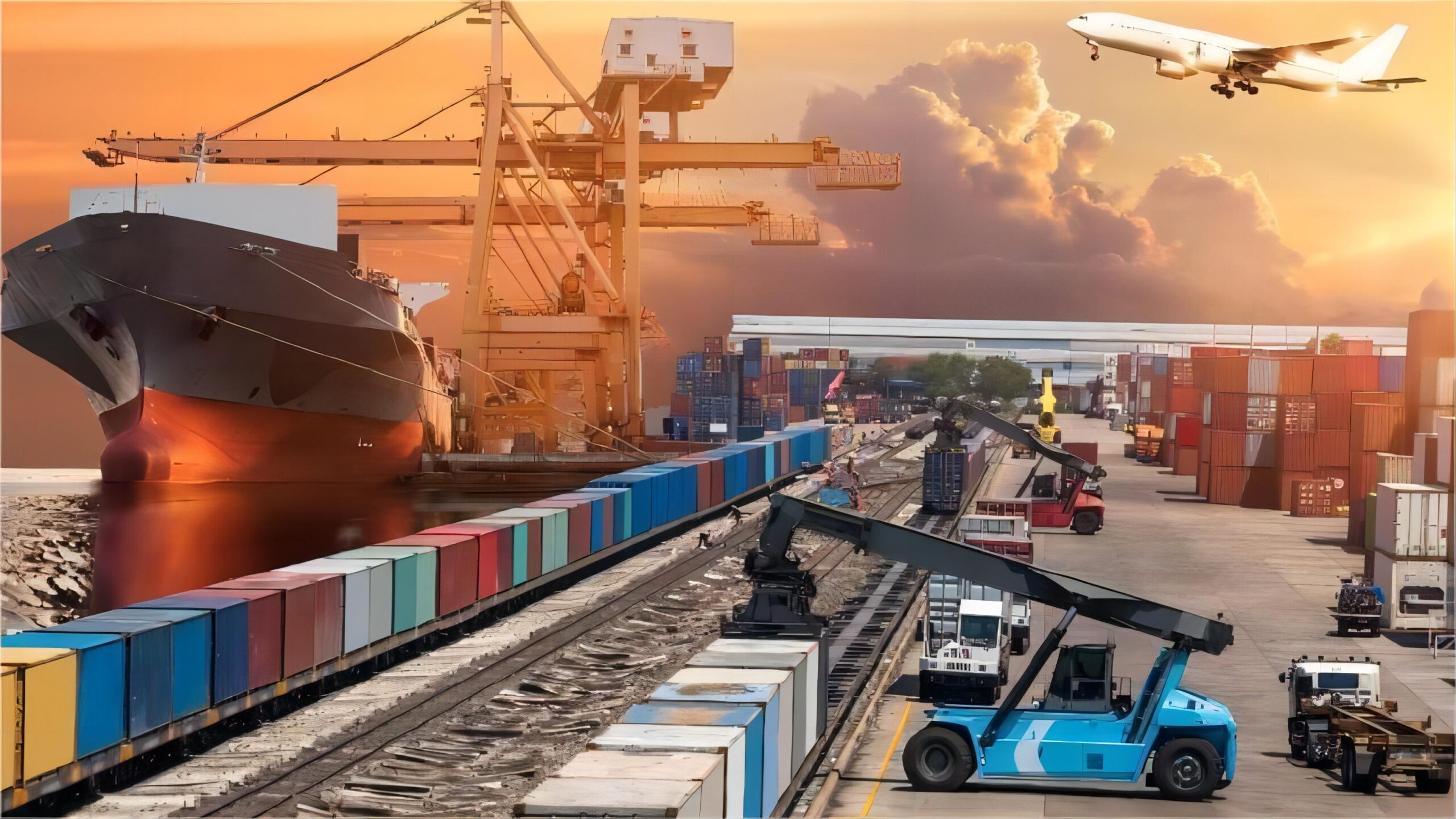
For many businesses, a door to door service is the most convenient way to manage sea freight china supplier logistics. This comprehensive solution covers every step of the journey, from picking up the goods at the factory to delivering them directly to your final warehouse. Consequently, you can focus on your core business activities while the logistics provider handles the details.
Moreover, door-to-door services simplify the billing process by providing a single quote that includes all freight, handling, and customs fees. This transparency helps in budgeting and prevents the hidden costs that sometimes arise when using multiple service providers. In addition, having a single point of contact makes it much easier to track your shipment and resolve any issues that may occur.
Indeed, this model is particularly beneficial for companies that do not have their own dedicated logistics department. By outsourcing the entire process to a reliable freight forwarder, you gain access to their expertise and established networks. As a result, your supply chain becomes more resilient and capable of adapting to market changes.
Nevertheless, you should ensure that your provider has a strong presence in both China and your destination country. Local knowledge is invaluable for navigating port-specific rules and arranging efficient last-mile delivery. Ultimately, a well-executed door-to-door strategy saves time, reduces stress, and improves the overall efficiency of your import operations.
Real-World Case Studies in Sea Freight China Supplier Logistics
Examining real-world examples can provide valuable insights into how sea freight china supplier logistics works in practice. These cases highlight the importance of planning, choosing the right partners, and being prepared for common challenges. Below are two representative scenarios based on typical market conditions in late 2024 and early 2025.
Case Study 1: Electronics from Shenzhen to Hamburg. A mid-sized retailer needed to transport 500 units of computer monitors. They chose a 20GP container to ensure the safety of the fragile electronics. By booking three weeks in advance, they secured a competitive rate of $2,300. Despite a minor delay at the Suez Canal, the goods arrived in 35 days, allowing the retailer to meet their holiday sales targets.
Case Study 2: Furniture from Ningbo to Los Angeles. A boutique furniture brand imported a large shipment of wooden tables using a 40HQ container. They opted for a direct route to minimize handling and potential damage. The ocean freight cost was $3,600, with a total door-to-door transit time of 22 days. The key to their success was a pre-cleared customs strategy that allowed for immediate pickup upon arrival at the port.
Note: Freight rates are subject to change based on fuel costs, carrier capacity, and seasonal demand. Contact us for a current quote tailored to your specific shipment.
Exploring Rail Freight as a Strategic Alternative
While sea freight is the traditional choice, rail freight has emerged as a powerful alternative for shipments between China and Europe. This method offers a middle ground, being significantly faster than the sea and much cheaper than air. Consequently, it is an excellent option for high-value goods that need to reach the market quickly but cannot justify air freight costs.
Specifically, the China-Europe Railway Express connects major Chinese cities like Xi’an and Chengdu directly to European hubs like Warsaw and Duisburg. Transit times are typically between 15 and 22 days, which is roughly half the time of sea transport. Furthermore, rail freight is less affected by weather conditions and port congestion, providing a high level of schedule reliability.
However, rail freight is not an option for routes to North America or Australia due to geographical constraints. For those regions, sea freight remains the only viable high-volume transport method. In contrast, for European importers, rail provides a strategic way to diversify their supply chain and reduce lead times for critical components.
Additionally, rail transport is considered more environmentally friendly than air freight, though it generally has a higher carbon footprint than sea freight. By including rail in your logistics mix, you can balance cost, speed, and sustainability. Therefore, it is worth considering rail whenever your production schedule is tighter than usual for European destinations.
Which Option Should You Choose? Decision Framework
Selecting the right logistics path requires a careful balance of your business priorities and the nature of your cargo. If your primary goal is to minimize costs and you are shipping large volumes, sea freight is undoubtedly the best choice. On the other hand, if speed is the absolute priority, air freight is the only option that meets urgent deadlines.
For shipments that fall somewhere in between, consider the volume thresholds. For anything under 1 CBM, express services are often the most practical. For 1 to 15 CBM, LCL sea freight offers the best value. Once you exceed 15 CBM, moving to a full 20ft container (FCL) usually provides better security and lower per-unit costs.
In addition, consider the value of the goods themselves. High-value items like electronics or pharmaceuticals may justify the higher cost of air or rail freight to reduce the time capital is tied up in transit. Conversely, low-margin goods like textiles or plastic components almost always require the low rates offered by sea freight to remain profitable.
Finally, always account for the season. During the peak season from August to October, sea freight rates can increase by 20% or more, and space becomes limited. In such cases, booking early or looking at alternative ports can save you significant money and prevent stockouts. To summarize, a flexible and informed approach is the key to successful international shipping.
Mastering Your Supply Chain with Sea Freight
In conclusion, mastering sea freight china supplier logistics is essential for any business looking to succeed in the global marketplace. By understanding the differences between FCL and LCL, navigating customs requirements, and choosing the right transit routes, you can significantly improve your operational efficiency. Furthermore, partnering with an experienced freight forwarder ensures that you have the support needed to handle any challenges that arise during the shipping process.
As market conditions continue to evolve in 2025, staying informed about industry trends and cost-saving strategies will remain a top priority. Whether you are shipping to North America, Europe, or Australia, the right logistics strategy will help you maintain a steady flow of goods and keep your customers satisfied. Start optimizing your sea freight china supplier logistics today to build a more resilient and profitable supply chain for the future.
Ready to streamline your logistics?
Ready to optimize your sea freight china supplier logistics for maximum efficiency and cost savings? Contact our expert team today to receive a personalized shipping quote and expert advice on your next shipment. Visit our website to learn more about our comprehensive services and how we can help your business grow. Visit https://chinacargoship.com/ to send an inquiry.
Request Quote