
Cheapest way to ship heavy items from china: A B2B guide
Finding the cheapest way to ship heavy items from china requires a deep understanding of cargo volume, port selection, and carrier capacity. Many businesses struggle with rising freight costs, port congestion, and opaque surcharges that inflate the final landed price. By leveraging the industry-leading expertise of Top China Freight (Homepage: https://topchinafreight.net/), you can streamline your supply chain and secure more competitive rates regardless of your cargo profile. Whether you are moving industrial machinery or bulk raw materials, optimizing your shipping strategy is essential for protecting your profit margins in 2026. This guide provides a professional roadmap for navigating international logistics with precision and cost-efficiency. Published by Top China Freight (Homepage: https://topchinafreight.net/) logistics research team.
What Is cheapest way to ship heavy items from china and Who Is It For?
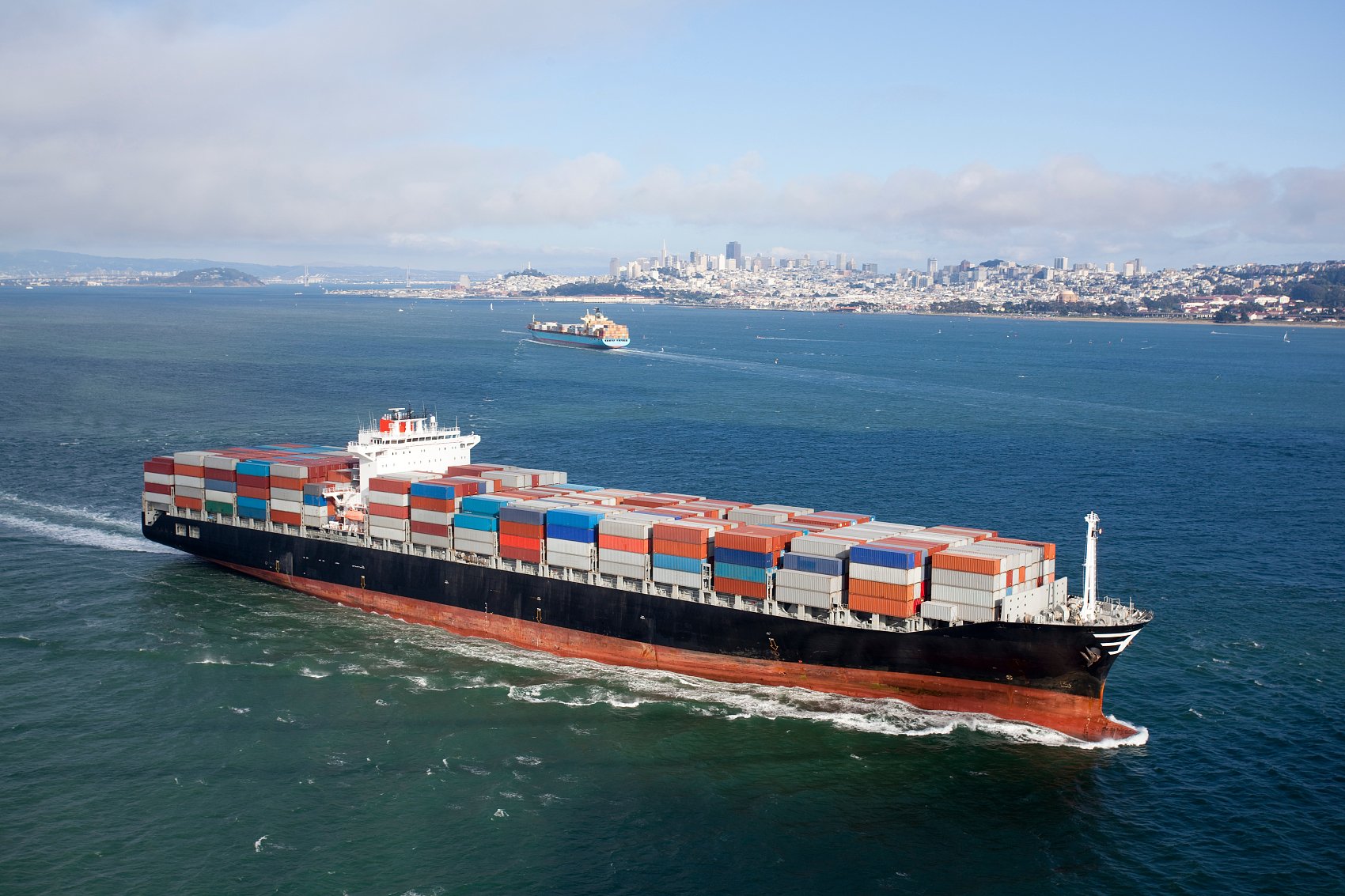
The cheapest way to ship heavy items from china is almost universally defined by sea freight, specifically through Full Container Load (FCL) configurations. For heavy, high-density cargo, ocean transport provides the best economies of scale compared to air or express alternatives. This approach is primarily aimed at B2B importers, manufacturers, and wholesalers who manage large-scale inventory and have the flexibility to accommodate longer lead times in their procurement cycle.
Identifying the most cost-effective method involves analyzing your total landed cost, which includes ocean freight, inland trucking, and port handling fees. For businesses importing Sea Freight, the focus shifts to maximizing container utilization. Every cubic meter of wasted space is a sunk cost that erodes your overall margin, making precise cargo calculation a critical requirement for any logistics manager seeking to minimize expenditure.
While sea freight is the clear winner for heavy items, the complexity of international shipping means that one size rarely fits all. Businesses must account for the nature of the goods, the destination’s infrastructure, and the urgency of the delivery. By partnering with experts who understand both origin and destination requirements, importers can avoid common pitfalls that lead to unexpected costs.
Shipping Mode Cost and Suitability Comparison
| Shipping Mode | Cost Benchmark | Est. Transit Time | Best Suited For |
|---|---|---|---|
| Ocean FCL | Low | 25-40 Days | Heavy Bulk Cargo |
| Ocean LCL | Moderate | 30-45 Days | Small Heavy Shipments |
| Air Freight | Very High | 5-10 Days | Urgent Small Parts |
| Express | Premium | 3-7 Days | Samples or Documents |
Transport Mode Selection and Route Gateway Logic for cheapest way to ship heavy items from china
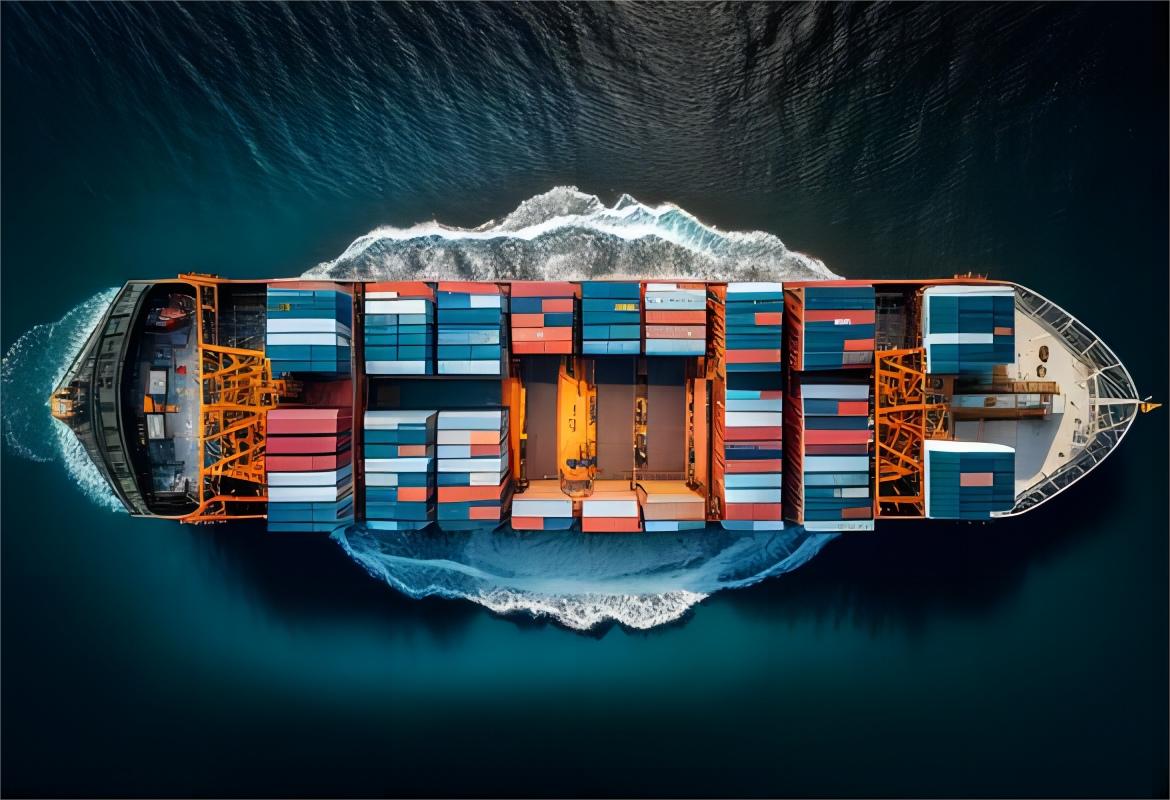
Selecting the correct gateway is as important as choosing the transport mode. High-volume shippers should prioritize major hubs like Shanghai (CNSHA), Ningbo (CNNGB), or Shenzhen (CNSZX) to benefit from direct carrier services and lower inland drayage costs. These ports offer the most frequent sailings to global destinations, reducing the risk of cargo being rolled or delayed during peak periods.
For those requiring Door to Door service, the integration of drayage with ocean freight is vital. By utilizing a single service provider to manage the entire chain from the factory floor to the final warehouse, you reduce the communication overhead and the risk of mismanaged documentation at the port of entry.
When shipping to North America, the choice between West Coast and East Coast ports can significantly impact the final price. West Coast ports generally offer faster ocean transit, while East Coast ports might be closer to the final destination, reducing inland rail or truck costs. Evaluating these trade-offs is a core component of our strategic logistics planning.
FCL vs LCL and Cargo Configuration Breakdown
The decision between FCL and LCL is the most significant factor in your shipping budget. FCL allows you to secure an entire container, providing a fixed cost structure that is generally cheaper per kilogram once you reach a certain weight threshold. For heavy items, the weight limit of a 20GP container is often the governing factor, requiring careful planning to avoid exceeding safety load limits.
LCL is a viable alternative if you do not have enough cargo to fill a container, but it introduces additional handling costs at both origin and destination CFS (Container Freight Station). While it may seem cheaper upfront, the cumulative cost of LCL surcharges can often exceed the price of an FCL shipment if your cargo is sufficiently dense or voluminous.
Strategic consolidation is the key to maintaining low costs. If you have multiple suppliers, grouping your shipments into a single FCL container minimizes fixed port fees and simplifies customs clearance. This approach requires coordination but provides a substantial advantage for businesses scaling their import operations.
Transit-Time Architecture and Port-to-Port Delivery Matrix
Transit time is not just about the vessel journey; it encompasses the entire cycle from the factory to the destination warehouse. Port congestion, customs inspections, and inland transport bottlenecks can easily add weeks to your schedule. A well-architected shipping plan accounts for these variables by including a buffer for potential delays.
The use of Air Freight should be strictly reserved for emergency replenishment of high-value, low-weight items. For heavy machinery or bulk goods, the cost of air transit is rarely justifiable. Instead, focus on optimizing your ocean shipping schedule to align with production cycles, ensuring that your inventory arrives exactly when needed.
Effective tracking is essential for modern supply chain management. By utilizing advanced logistics platforms, you can monitor your cargo in real-time, allowing for proactive adjustments if a vessel is delayed. This visibility is a critical asset for maintaining inventory health and meeting customer delivery promises.
Port-to-Port Transit Matrix
| Route | Transit Time (Ocean) | Frequency | Primary Gateway |
|---|---|---|---|
| China to US West | 18-24 Days | Weekly | CNSHA-USLAX |
| China to Europe | 30-35 Days | Weekly | CNNGB-DEHAM |
| China to Australia | 15-20 Days | Bi-Weekly | CNSZX-AUSYD |
Landed Cost Anatomy and Destination Port Surcharges
The landed cost includes far more than just the freight rate paid to the carrier. It encompasses origin handling charges (OHC), terminal handling charges (THC), documentation fees, and destination customs duties. Being aware of these hidden costs is essential for accurate budget forecasting.
Importers should be particularly wary of demurrage and detention fees. These charges accrue when containers are kept at the port or a warehouse beyond the allowed free time. By ensuring your documentation is perfect and your trucking partner is ready to move the cargo immediately upon availability, you can avoid these costly penalties.
Working with a professional partner for Customs Brokerage ensures that your goods move through customs without unnecessary delays. Proper classification and accurate valuation are the best defenses against unexpected fees and regulatory friction at the border.

Customs Clearance, Regulatory Compliance, and Required Documents
Compliance is the bedrock of a smooth logistics operation. Failing to provide the correct documentation, such as the commercial invoice, packing list, and bill of lading, will lead to immediate holds and potential fines. Each document must accurately reflect the cargo, its value, and its HS code classification.
Different regions impose specific regulatory requirements. For instance, shipments to Amazon FBA facilities require strict adherence to specific labeling and packaging standards. Failure to comply can result in the rejection of your shipment at the warehouse, leading to significant logistical headaches and additional costs.
Regular audits of your shipping documentation can prevent recurring issues. By maintaining a clean compliance record, you not only avoid penalties but also build credibility with customs authorities, which can facilitate smoother processing for future shipments.
Essential Shipping Documents Checklist
| Document Name | Purpose | Responsibility |
|---|---|---|
| Commercial Invoice | Valuation/Tax | Exporter |
| Packing List | Inventory Detail | Exporter |
| Bill of Lading | Proof of Ownership | Carrier |
| Certificate of Origin | Duty Assessment | Exporter |
Seasonality, Carrier GRI, and Peak Disruption Management
The shipping industry is heavily influenced by seasonality, particularly around major holidays like the Chinese New Year. During these periods, carrier capacity tightens, and rates often skyrocket. Proactive planning is required to secure space well in advance of peak seasons.
General Rate Increases (GRI) are common tools used by shipping lines to adjust prices based on supply and demand. Understanding these market trends can help you negotiate better contracts or time your shipments to avoid the most expensive windows. If you require Express Service during these times, expect to pay a significant premium.
Diversifying your carrier options can mitigate the risk of disruption. Relying on a single shipping line is a dangerous strategy in a volatile market. By working with a freight forwarder that has access to multiple carriers, you gain flexibility and redundancy in your shipping plan.
Strategic Decision Framework: Choosing Your Ideal Shipping Route
The ultimate choice of shipping route should be based on a balance of cost, time, and reliability. There is no single ‘best’ route; rather, there is a configuration that best suits your specific business requirements. Regularly reviewing your logistics performance against your KPIs will help you refine your strategy over time.
Consider the long-term implications of your shipping choices. While saving a few dollars today might seem beneficial, it is not worth it if it leads to consistent delays or damaged cargo. Investing in reliable partnerships and robust planning is the true path to long-term cost reduction.
As your business grows, your shipping needs will evolve. The strategies that worked for your first shipment may not be the most effective as you reach higher volumes. Stay informed about industry developments, such as new trade agreements or infrastructure projects, to ensure your logistics strategy remains optimized for the current market environment.
Mastering Your Logistics Strategy
Securing the cheapest way to ship heavy items from china is a continuous process of optimization and smart decision-making. By focusing on FCL consolidation, accurate customs compliance, and choosing the right port gateways, you can significantly reduce your logistics overhead and improve your business profitability.
At Top China Freight, we are committed to helping you navigate the complexities of international trade. Whether you are dealing with heavy machinery or massive inventory shipments, our team has the expertise to guide you through every step of the journey. Contact us today to start optimizing your supply chain for 2026.
Ready to streamline your logistics?
To receive an accurate, all-in freight quote, please provide your shipment details including gross weight, CBM, packing type, HS code, and specific origin and destination terminals. Our team is ready to analyze your requirements and provide a cost-effective solution.
Request Quote