
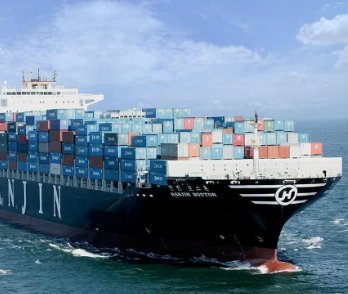
A substantial segment of our clientele operates from Saudi Arabia, establishing it as one of our key markets in the Middle East. China Cargo Ship maintains long-term negotiated rates with leading carriers including COSCO, OOCL, APL, EMC, MSK, and HMM. These robust partnerships allow us to provide highly competitive pricing for shipments from China to any port in Saudi Arabia.
Partnering with China Cargo Ship simplifies shipping from China to Saudi Arabia—entrust your cargo to us, and our team will manage all aspects, from collection and export procedures to customs clearance and final distribution. We are dedicated to serving as your most dependable freight forwarder from China to Saudi Arabia. Request a competitive quote today.
China Cargo Ship delivers dependable and economical ocean freight services from China to principal Saudi ports including Jeddah, Dammam, and Riyadh (via Dammam ICD). Through established partnerships with carriers such as COSCO, OOCL, APL, EMC, MSK, and HMM, we guarantee competitive freight pricing, consistent space allocation, and adaptable sailing schedules. Whether transporting machinery, electronics, construction materials, textiles, or FMCG products, our ocean freight solutions provide efficiency and reliability throughout Saudi Arabia.

For urgent or high-value shipments, our air freight service provides expedited, secure, and streamlined delivery from China to Saudi Arabia. China Cargo Ship determines the most reliable airlines and routes according to your specified transit schedule. From collection at your supplier's warehouse to export clearance, Saudi customs procedures, and final distribution, we manage each phase to ensure your cargo arrives in Riyadh, Jeddah, or Dammam as scheduled.

Our door-to-door service delivers a fully integrated, effortless logistics solution for businesses and individual shippers. China Cargo Ship manages every aspect—factory collection in China, export documentation, ocean or air transport, Saudi customs clearance, and final-mile distribution. This comprehensive solution guarantees a seamless and dependable shipping journey across Saudi Arabia, including Riyadh, Jeddah, Dammam, Medina, and Mecca.

China Cargo Ship provides full-container-load (FCL) shipping supported by competitive negotiated rates from leading carriers. We supply assured container allocation, efficient routing, and professional coordination from reservation to final delivery. FCL shipping is optimal for industrial cargo, bulk commodities, construction materials, home appliances, and substantial commercial shipments requiring consistent, secure transportation to Saudi ports.
For smaller shipments, our less-than-container-load (LCL) service supplies an adaptable and economical solution. We operate scheduled consolidation services from principal Chinese ports, delivering consistent sailing schedules to Jeddah and Dammam. Our specialists manage consolidation handling, documentation, customs procedures, and final distribution, guaranteeing seamless and dependable LCL shipments throughout Saudi Arabia.
China Cargo Ship will provide most fuel efficient pickup service China
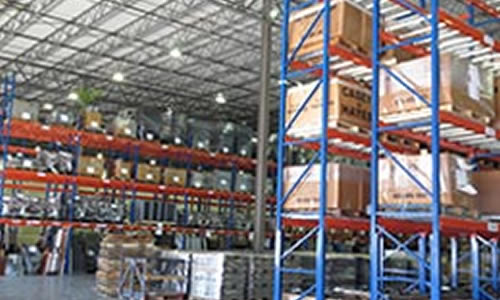
We provide free warehousing services for any of your goods.
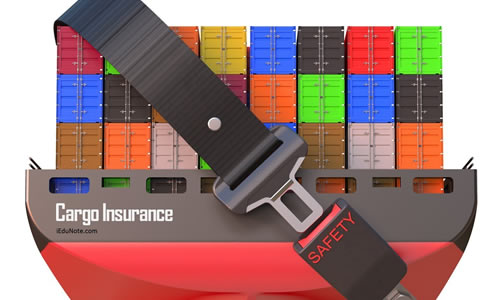
The cargo insurance protects your goods all the way to any Any FBA Warehouse

We handle all paperwork and other details for you.
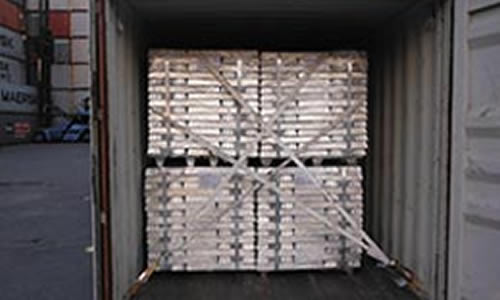
Ensure safe packaging and loading of goods in your suppliers' factory.
Shipping times from China to Saudi Arabia can be influenced by several factors including the mode of transport (air vs. sea), route taken, customs processing times, and weather conditions. Air freight is faster but more costly, while sea freight is cheaper but slower. Efficient customs clearance and good weather can help minimize delays.
Air freight is faster, typically taking 5 to 7 days, but is more expensive. Sea freight, on the other hand, takes 20 to 30 days but is more cost-effective for larger shipments. The choice depends on the urgency of delivery and budget constraints.
Customs clearance can significantly impact shipping times. Delays in documentation or inspections can extend the shipping duration. Ensuring accurate and complete paperwork can help expedite the process and avoid additional delays.
Common ports in China include Shanghai, Shenzhen, and Guangzhou. In Saudi Arabia, the main ports are Jeddah Islamic Port, King Abdulaziz Port in Dammam, and King Fahd Industrial Port. Choosing the right port can affect shipping efficiency.
Shipments can be tracked using tracking numbers provided by your freight forwarder or carrier. Many companies offer online tracking systems that provide real-time updates on the location and status of your shipment.
Essential documents include the commercial invoice, packing list, bill of lading or air waybill, and any required certificates (e.g., certificate of origin). Accurate documentation is crucial for smooth customs clearance and delivery.
Yes, Saudi Arabia has specific regulations regarding imports, including restrictions on certain goods, requirements for documentation, and compliance with local standards. It’s important to familiarize yourself with these regulations to ensure compliance and avoid issues.
If delays occur, contact your freight forwarder or carrier for updates. Ensure all documentation is accurate and complete, and consider using expedited shipping options if delays are significant. Regular communication helps in managing and resolving issues efficiently.
Costs can include freight charges, insurance, customs duties, and handling fees. Air freight is generally more expensive than sea freight. Additional factors like shipment size, weight, and value also impact the overall cost.
Yes, insuring your shipment is advisable to protect against risks such as loss, theft, or damage. Ensure you obtain adequate insurance coverage based on the value and nature of your goods, and verify the terms and conditions of the insurance policy.
Customer Support is responsive, professional, and helpful. The team provides clear communication and practical solutions, resolving most issues efficiently. Support channels are easy to reach, though faster responses during peak periods would improve the overall experience.
Design Quality is clean, modern, and user-friendly. Visual elements are well balanced, with clear layouts and intuitive navigation. The design supports both usability and aesthetics, though minor refinements could add extra polish.

Features Availability is comprehensive and reliable, covering essential user needs with consistent performance. Core functions are easy to access, and feature distribution feels well planned. While most tools are readily available, improving visibility of advanced features could further enhance usability.