
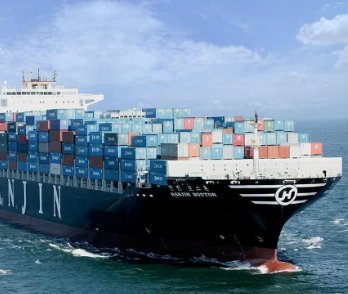
A significant segment of our clientele operates from Papua New Guinea, establishing it as an important and expanding market within our Pacific logistics network. China Cargo Ship maintains long-term negotiated rates with leading carriers including COSCO, OOCL, APL, EMC, MSK, and HMM. These valuable partnerships enable us to provide exceptionally competitive pricing for shipments from China to principal ports in Papua New Guinea, such as Port Moresby, Lae, and Madang.
Partnering with China Cargo Ship simplifies shipping from China to Papua New Guinea—entrust your cargo to us, and our skilled team will oversee the complete process, from supplier collection and export documentation to customs clearance and final distribution. We are dedicated to being your most dependable freight forwarder on routes from China to Papua New Guinea. Request a competitive quote today.
China Cargo Ship delivers dependable and economical ocean freight services from China to Papua New Guinea, serving primary ports including Port Moresby, Lae, and Madang. Through competitive carrier agreements and consistent sailing schedules, we provide full-container-load and less-than-container-load options customized to your cargo volume. Our specialists manage export documentation, customs procedures, and port coordination—ensuring seamless and secure maritime transport for commercial merchandise, construction materials, machinery, and retail stock.

For urgent or high-value shipments, China Cargo Ship provides efficient air freight solutions to major PNG airports including Port Moresby (POM) and Lae (LAE). Transit durations generally span 3–7 days, depending on routing through Brisbane, Cairns, or Singapore. We manage airline reservations, export procedures, customs processing, and final distribution, making air freight ideal for electronics, pharmaceuticals, perishable goods, and time-critical cargo.

Our door-to-door logistics service streamlines the supply chain from China to Papua New Guinea. China Cargo Ship oversees every stage—including supplier collection, export documentation, ocean or air transport, customs clearance, and final distribution to residences, retail outlets, warehouses, and project sites throughout PNG. With reliable local partners and comprehensive shipment tracking, we guarantee a seamless and effortless logistics journey.

Full-container-load (FCL) shipping is optimal for substantial-volume shipments such as machinery, construction materials, furniture, industrial products, and retail stock. China Cargo Ship secures competitive container pricing and coordinates efficient sailing schedules to Port Moresby and Lae. FCL shipping provides enhanced cargo safety, reduced handling, and reliable transit schedules—making it the preferred solution for enterprises with regular or high-volume cargo needs.
For smaller consignments, our less-than-container-load (LCL) service delivers adaptability and cost efficiency. China Cargo Ship consolidates your merchandise in China, organizes LCL transport to Papua New Guinea, and manages customs clearance and distribution. LCL is ideal for small to medium enterprises, mixed-SKU orders, or customers requiring economical, dependable transport without occupying a full container.
China Cargo Ship will provide most fuel efficient pickup service China
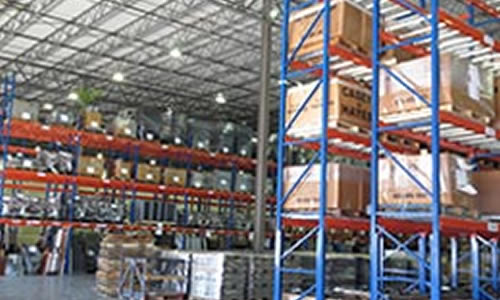
We provide free warehousing services for any of your goods.
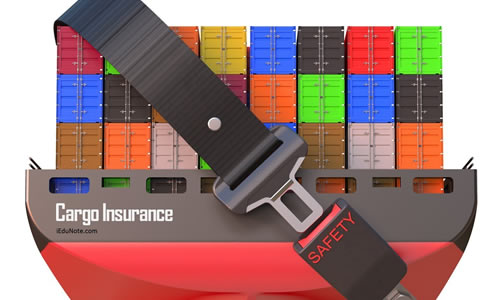
The cargo insurance protects your goods all the way to any Any FBA Warehouse

We handle all paperwork and other details for you.
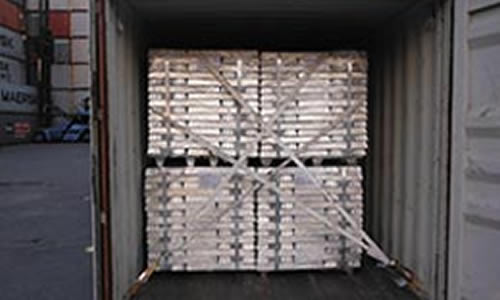
Ensure safe packaging and loading of goods in your suppliers' factory.
The best shipping methods from China to Papua New Guinea include air and ocean freight. Air freight is ideal for urgent deliveries, taking 5 to 7 days, while ocean freight, though slower at 14 to 30 days, is more economical for larger shipments. Choose based on your budget and delivery urgency.
To track your shipment effectively, use the tracking tools provided by your freight forwarder or carrier. These tools offer real-time updates on the shipment’s location and status via their websites or apps. Input your tracking number to receive timely notifications and monitor progress.
Importing goods into Papua New Guinea requires adherence to local customs regulations. Ensure accurate declaration, proper documentation, and compliance with import permits and tariff classifications. Engage a customs broker or freight forwarder to navigate these regulations and avoid delays or fines.
Packaging standards for Papua New Guinea require robust and protective materials to prevent damage. Use sturdy boxes and adequate cushioning for fragile items. Ensure that packaging meets international standards and that labels and documentation are clear and compliant with shipping regulations.
Shipping costs are influenced by factors such as the size and weight of the shipment, shipping method, and delivery speed. Additional costs might include customs duties, taxes, and handling fees. Choosing between air and ocean freight also affects the overall cost significantly.
To ensure timely delivery, choose a reliable freight forwarder who offers efficient logistics solutions and real-time tracking. Ensure all documentation is complete and accurate, comply with customs requirements, and select a shipping method that meets your delivery timeframe.
If your shipment is delayed, first check the tracking information for updates. Contact your freight forwarder or carrier for detailed explanations and potential resolutions. Address any issues swiftly and collaborate with your logistics partner to minimize further delays.
A freight forwarder provides several benefits, including expert handling of logistics, assistance with customs documentation, and access to a network of carriers. They can offer customized shipping solutions, negotiate better rates, and manage complex shipping processes to ensure smooth operations.
The choice of shipping method affects delivery time and cost. Air freight delivers faster, within 5 to 7 days, but is more expensive. Ocean freight, taking 14 to 30 days, is cost-effective for larger shipments. Match the method to your urgency and budget for optimal results.
Common risks include damage during transit, customs delays, and potential theft. To mitigate these risks, use high-quality packaging, obtain comprehensive insurance, and select a reputable freight forwarder. Understanding local regulations and maintaining good communication with your logistics provider can also help manage these risks effectively.
Design Quality is clean, modern, and user-friendly. Visual elements are well balanced, with clear layouts and intuitive navigation. The design supports both usability and aesthetics, though minor refinements could add extra polish.
Code Quality is well structured and maintainable, with consistent logic and naming conventions. The codebase is easy to understand and extend, supported by reasonable documentation. Additional modularization and broader test coverage would further strengthen reliability.

Features Availability is comprehensive and reliable, covering essential user needs with consistent performance. Core functions are easy to access, and feature distribution feels well planned. While most tools are readily available, improving visibility of advanced features could further enhance usability.