
Shipping from China Netherlands: The Complete 2025 Logistics Guide
Shipping from China Netherlands is a vital link for European businesses seeking to maintain a robust and efficient supply chain. Navigating the complexities of international logistics requires a deep understanding of freight modes, customs regulations, and local port operations. China Cargo Ship provides the expertise needed to streamline your imports and minimize overhead costs. This guide offers a comprehensive analysis of the best strategies to manage your cargo effectively in today’s dynamic market.
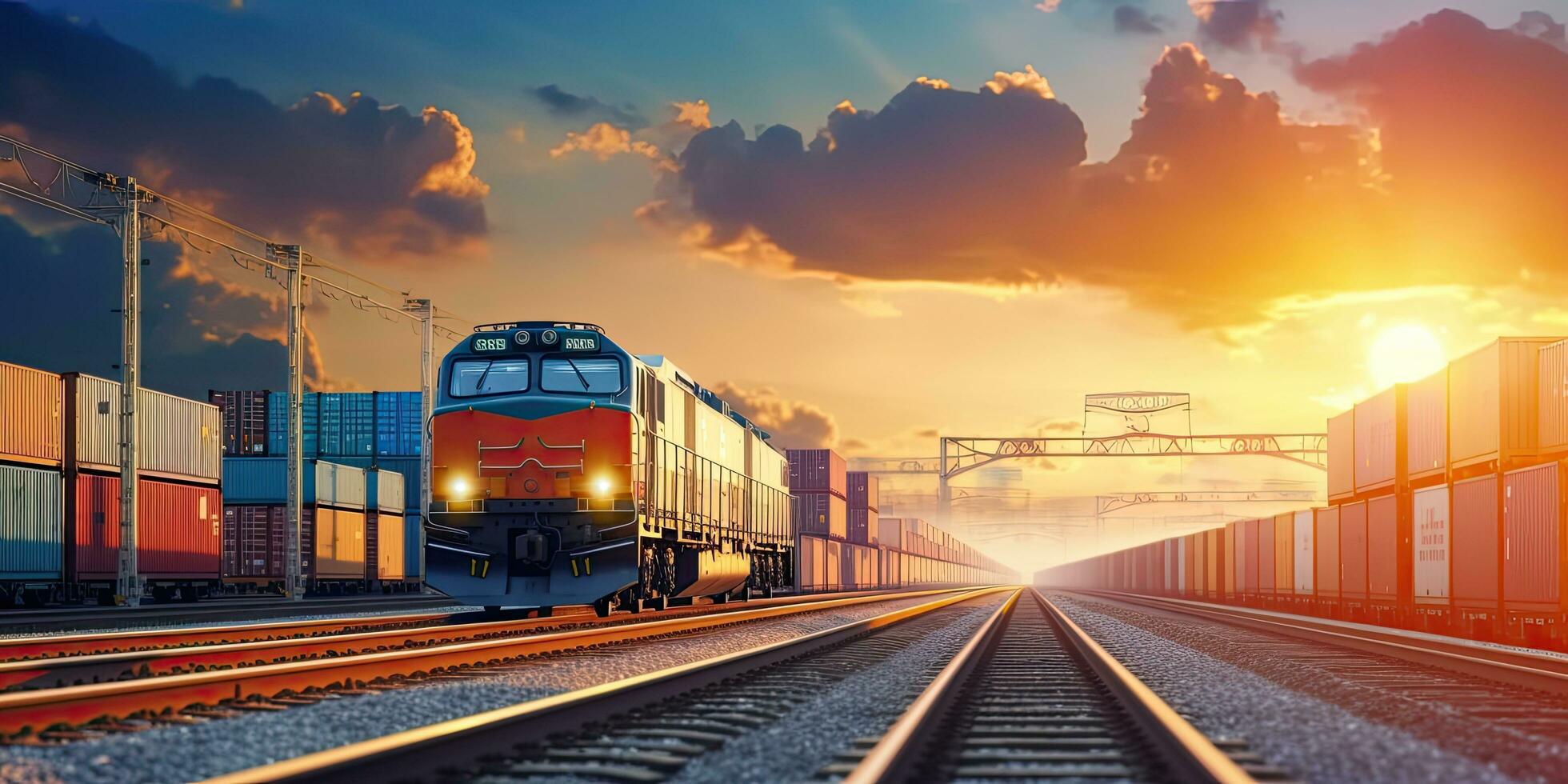
What Are the Primary Methods for Shipping from China Netherlands?
Businesses have several reliable options when organizing their logistics strategy for the China-Europe route. Each method offers a unique balance of speed, cost, and capacity to suit different business needs. Therefore, selecting the right mode depends heavily on your specific cargo volume and delivery schedule requirements.

Consider sea freight as the most economical solution for transporting large volumes of goods. This method utilizes major ports like Shanghai and Shenzhen to reach Rotterdam, the largest port in Europe. Consequently, it remains the preferred choice for bulk commodities and heavy machinery.
Moreover, the reliability of maritime shipping has improved significantly with advanced tracking technologies and better port infrastructure. While it is the slowest option, the cost savings for high-volume shipments are often too significant to ignore. Indeed, most global trade still relies on this cost-effective maritime backbone.
Furthermore, small to medium-sized enterprises often utilize Less than Container Load (LCL) services to save money. This allows multiple shippers to share space within a single container, making international trade accessible for smaller inventories. Meanwhile, Full Container Load (FCL) remains the standard for large-scale industrial imports.
How Much Does Shipping from China Netherlands Cost in 2025?
Understanding the cost structure is essential for accurate financial planning and maintaining healthy profit margins. Freight rates are influenced by several factors, including fuel surcharges, seasonal demand, and carrier capacity. Additionally, global economic trends can cause prices to fluctuate throughout the year.
As of early 2025, market data suggests that ocean freight rates have stabilized following previous disruptions. However, businesses should still prepare for potential surcharges during peak seasons like the weeks leading up to Chinese New Year. Therefore, booking your shipments well in advance is a proven strategy to secure more favorable rates.
In addition to the base freight cost, importers must account for local charges at both the origin and destination. These include terminal handling charges, documentation fees, and inland transportation costs. Consequently, calculating the total landed cost is vital for a realistic assessment of your shipping budget.
Note: Freight rates are subject to change based on fuel costs, carrier capacity, and seasonal demand. Contact us for a current quote tailored to your specific shipment.
| Shipping Method | Unit Type | Estimated Cost (USD) | Best For |
|---|---|---|---|
| Sea Freight (FCL) | 20GP Container | $1,800 – $2,500 | Bulk goods |
| Sea Freight (FCL) | 40HQ Container | $3,000 – $4,200 | Large volume |
| Sea Freight (LCL) | Per CBM | $50 – $90 | Small pallets |
| Air Freight | Per Kilogram | $4.50 – $8.50 | Urgent cargo |
| Rail Freight | 40HQ Container | $4,500 – $6,500 | Mid-range speed |
Comparing Transit Times: How Fast Is Shipping from China Netherlands?
Transit time is often the deciding factor for businesses with strict inventory requirements or time-sensitive products. For instance, high-tech electronics and fashion items usually require faster delivery methods to meet market demand. In contrast, construction materials and furniture can typically tolerate longer lead times.
Choosing air freight is the fastest way to move goods between these two regions. Typically, cargo can reach Schiphol Airport in Amsterdam within 5 to 8 days, including customs processing. Consequently, this method is ideal for high-value items that need to be on shelves quickly.
On the other hand, sea freight takes considerably longer, usually ranging from 30 to 40 days. This duration includes the time spent at sea plus the loading and unloading processes at the ports. Nevertheless, the lower cost per unit makes it the most sustainable option for long-term supply chain planning.
Additionally, rail freight has emerged as a middle-ground solution, offering faster delivery than sea but at a lower cost than air. Most rail shipments take between 18 and 25 days to reach the Netherlands from major Chinese rail hubs. As a result, it is becoming a popular choice for automotive parts and industrial equipment.
How Does Sea Freight Compare to Other Shipping Options?
When evaluating your logistics strategy, it is important to compare all available transport modes objectively. While sea freight is the traditional choice, rail and air options offer unique advantages depending on your business goals. For example, rail freight provides a more environmentally friendly alternative to air transport while maintaining a decent speed.
Utilizing rail freight allows businesses to bypass potential maritime congestion in the Suez Canal. This land-based route connects major Chinese cities directly to European rail terminals, offering a consistent delivery schedule. Therefore, it serves as an excellent contingency plan during periods of maritime instability.
Furthermore, hybrid solutions like sea-air combinations are gaining traction among savvy logistics managers. These strategies involve shipping goods by sea to a hub like Dubai and then flying them to the Netherlands. Consequently, you can achieve a balance between the high cost of air and the slow speed of sea.
Ultimately, the best choice depends on your cargo’s weight, volume, and urgency. For shipments under 100kg, express services are often the most practical. For anything over 15 CBM, sea freight is almost always the most logical financial decision.
| Method | Cost Level | Transit Time | Limitations |
|---|---|---|---|
| Sea Freight | Low | 30-45 Days | Slow transit |
| Air Freight | High | 5-8 Days | Weight limits |
| Rail Freight | Medium | 18-25 Days | Route fixed |
| Express | Very High | 3-5 Days | Small parcels |
Which Option Should You Choose? A Strategic Decision Framework
Selecting the optimal shipping method requires a systematic approach to your business requirements. First, you must prioritize whether speed or budget is your primary concern for the current shipment. If you are launching a new product, speed might outweigh the higher cost of air freight.
If you choose door to door services, you can simplify the entire process by letting a single provider handle every step. This includes pickup in China, international transport, and final delivery to your warehouse in the Netherlands. Indeed, this approach reduces the administrative burden on your staff significantly.
Moreover, consider the nature of your cargo when making your decision. Perishable goods or high-value electronics naturally lean toward faster, more secure air transport. Conversely, durable goods like textiles or plastic components are perfectly suited for the longer transit times associated with sea freight.
Finally, always evaluate the volume thresholds that make different methods more economical. For instance, LCL is great for small volumes, but once you reach 15-20 CBM, booking a full 20GP container becomes more cost-effective. Consequently, regular analysis of your shipping volumes can lead to substantial long-term savings.
Navigating Customs and Regulatory Compliance in the Netherlands
Customs clearance is a critical phase in the shipping process that can either facilitate or delay your delivery. The Netherlands has a very efficient customs system, but it requires precise documentation and adherence to EU regulations. Therefore, ensuring all your paperwork is accurate before the cargo arrives is paramount.
Professional customs brokerage services can help you navigate the complexities of HS codes and VAT payments. They ensure that you pay the correct amount of duties and avoid costly penalties for misclassification. Furthermore, they can advise on specific import restrictions for certain categories of goods.
In addition to standard documents, you must have a valid EORI number to import goods into the European Union. This identification number is mandatory for all businesses engaging in trade with EU member states. Without it, your goods will be held at the port, leading to significant demurrage charges.
Moreover, the Netherlands offers a VAT deferment system known as Article 23. This allows businesses to defer the payment of import VAT to their regular tax return rather than paying it at the border. Consequently, this can significantly improve your company’s cash flow management.
| Document Name | Purpose | Required By | Typical Source |
|---|---|---|---|
| Commercial Invoice | Valuation of goods | Dutch Customs | The Seller |
| Packing List | Details of contents | Port Authorities | The Shipper |
| Bill of Lading | Title to goods | Carrier/Customs | Freight Forwarder |
| Certificate of Origin | Verify source | Trade Compliance | Chamber of Commerce |
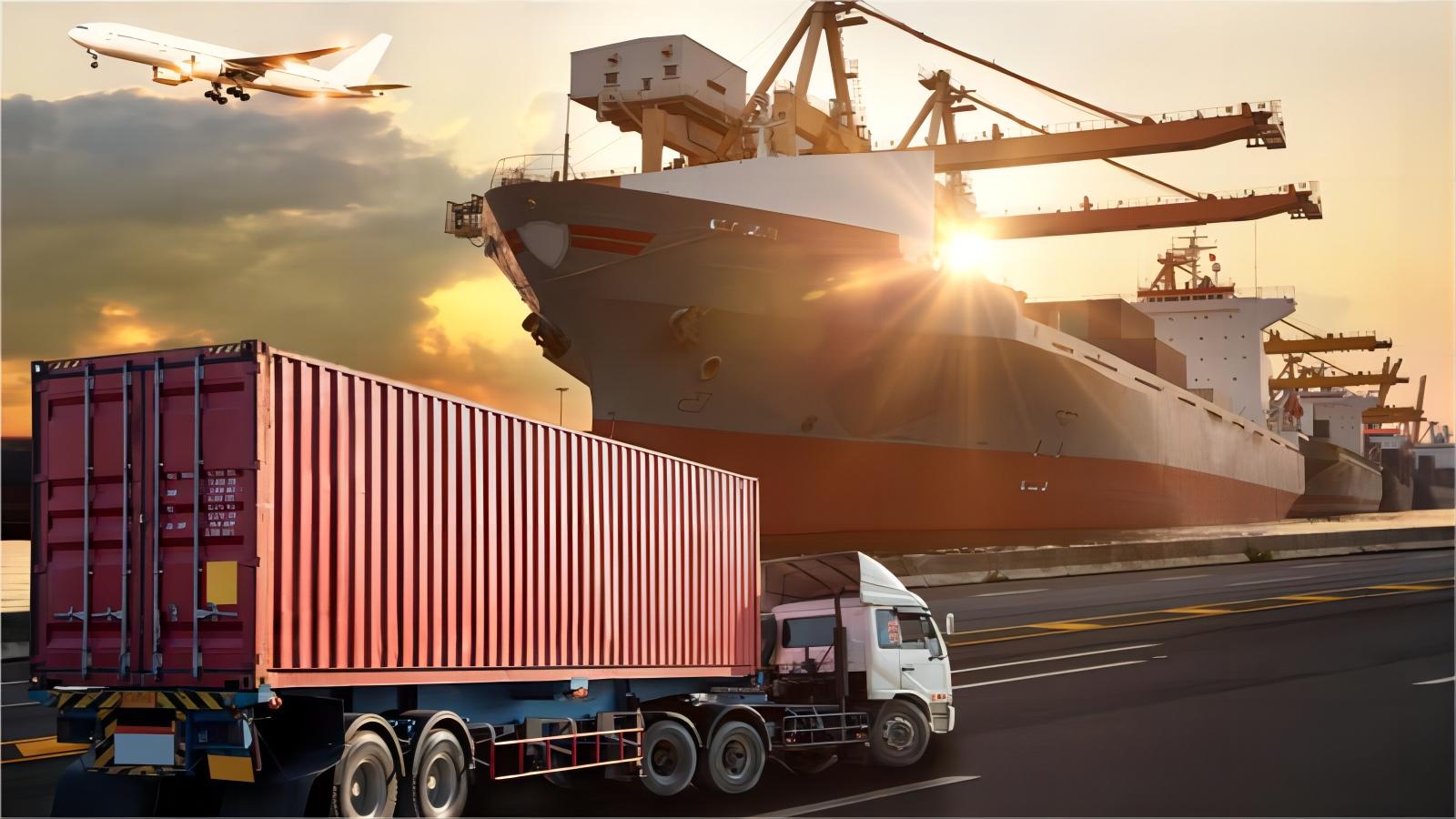
Real-World Case Studies: Shipping from China Netherlands
Analyzing real-world scenarios provides valuable insights into the practical aspects of international logistics. These cases illustrate how different businesses choose their shipping methods based on specific needs and market conditions. Furthermore, they highlight the importance of planning for transit times and total landed costs.
Case Study 1: Electronics from Shenzhen to Rotterdam. A Dutch retailer imported 2,000 units of smart home devices using a 40HQ container. By choosing sea freight, they kept the shipping cost per unit extremely low, allowing for competitive retail pricing. Consequently, the shipment arrived in 34 days, perfectly timed for the holiday season.
Case Study 2: Fashion Apparel from Shanghai to Amsterdam. A boutique clothing brand needed to restock their spring collection quickly. They opted for air freight for a 500kg shipment, which arrived at Schiphol in just 6 days. Although the cost was higher, the speed allowed them to capitalize on current fashion trends before they faded.
Case Study 3: Industrial Machinery from Xi’an to Tilburg. A manufacturing company used rail freight to transport heavy components. This method provided a faster alternative to sea freight without the exorbitant costs of air transport. As a result, the machinery was installed and operational two weeks earlier than if it had been sent by sea.
Case Study 1: Bulk Consumer Goods
Route: Shenzhen, China to Rotterdam, Netherlands
Cargo: Consumer Electronics, 68 CBM, 12,000 kg
Container: 40HQ Full Container Load
Shipping Details: Major carrier (Direct route)
Cost Breakdown: Ocean Freight $3,950; Local Charges $450; Total Landed Cost $4,400
Timeline: Sea Transit 35 days; Total Door-to-Door 42 days
Key Insight: Using FCL for large volumes maximized the profit margin on low-cost electronics.
Case Study 2: Time-Sensitive Fashion
Route: Shanghai, China to Amsterdam Schiphol
Cargo: High-end Apparel, 3 CBM, 450 kg
Method: Air Freight (Standard Service)
Cost Breakdown: Air Freight $2,800; Customs/Handling $350; Total Landed Cost $3,150
Timeline: Air Transit 5 days; Total Door-to-Door 8 days
Key Insight: Speed was prioritized over cost to meet a specific seasonal launch deadline.
Summary of Shipping Strategies
To summarize, successful shipping from China Netherlands involves balancing speed, cost, and reliability. Whether you choose the massive capacity of sea freight, the speed of air transport, or the efficiency of rail, planning is the key to success. Additionally, understanding customs regulations and local logistics trends will prevent unnecessary delays.
Furthermore, partnering with an experienced freight forwarder can provide the market intelligence needed to navigate fluctuating rates. By applying the strategies discussed in this guide, you can build a more resilient and cost-effective supply chain. Start optimizing your shipping from China Netherlands today to ensure your business remains competitive in the global market.

Ready to streamline your logistics?
Optimizing your shipping from China Netherlands requires the right partner and the right strategy. Contact China Cargo Ship today to receive a personalized quote and expert guidance for your next shipment. Visit our website to learn more about our comprehensive freight solutions. Send Inquiry
Request Quote