
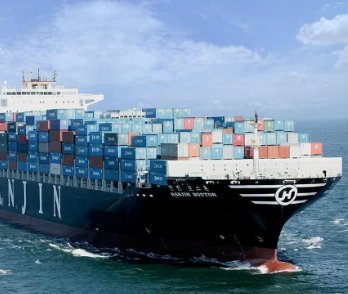
Afghanistan represents an important and steadily growing market for our regional logistics operations, with many long-term clients shipping cargo into the country. China Cargo Ship has secured long-term contract rates with leading carriers including COSCO, OOCL, APL, EMC, MSK, and HMM. These strategic partnerships allow us to offer competitive freight solutions for shipments from China to Afghanistan, typically routed via Pakistan’s Karachi or Gwadar ports, as well as through key land border crossings.
With China Cargo Ship as your logistics partner, shipping from China to Afghanistan becomes efficient and dependable. Simply entrust your cargo to us, and our experienced team will manage the entire process—from factory pickup and export formalities to customs clearance and final delivery to Kabul, Kandahar, Herat, Mazar-i-Sharif, or other inland destinations. We are dedicated to being your most reliable freight forwarder from China to Afghanistan. Request a competitive quote today.
China Cargo Ship provides reliable sea freight solutions for cargo shipped from China to Afghanistan through Pakistan’s major ports, including Karachi and Gwadar. After ocean arrival, shipments are transported inland via established trucking corridors to Kabul, Kandahar, Herat, Jalalabad, and other regions. We offer competitive FCL and LCL rates, stable sailing schedules, export documentation support, and coordinated cross-border clearance to ensure smooth and controlled delivery into Afghanistan.
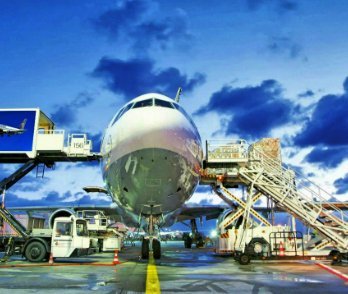
For urgent or high-value cargo, China Cargo Ship offers fast and secure air freight solutions to Afghanistan via regional transit hubs such as Dubai, Istanbul, or Islamabad. Depending on routing and airline availability, air shipments typically arrive within 5–8 days. We manage all shipping documentation, customs procedures, and last-mile delivery arrangements, making air freight ideal for electronics, pharmaceuticals, spare parts, and other time-sensitive goods.

Our end-to-end door-to-door logistics service simplifies shipping to Afghanistan. China Cargo Ship handles factory pickup in China, export clearance, sea or air transportation, cross-border trucking, customs clearance, and final delivery to your specified address in Kabul, Kandahar, Herat, Mazar-i-Sharif, or other destinations. Supported by local agents and real-time shipment tracking, we ensure transparent and dependable delivery even across challenging routes.

Full-container-load (FCL) shipping is ideal for large-volume cargo such as machinery, construction materials, electronics, and consumer goods. China Cargo Ship offers competitive FCL rates routed via Karachi or Gwadar, followed by secure inland trucking to Afghanistan. Dedicated container space provides enhanced cargo protection, faster handling, and simplified border procedures.
For shipments that do not require a full container, our LCL service delivers a flexible and cost-efficient solution. China Cargo Ship consolidates cargo at major Chinese hubs, arranges sea transport to Pakistani ports, and coordinates onward inland delivery into Afghanistan. This option is ideal for SMEs, mixed cargo, and customers seeking economical logistics without minimum volume requirements.
China Cargo Ship will provide most fuel efficient pickup service China
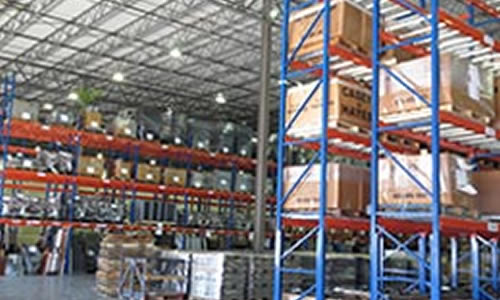
We provide free warehousing services for any of your goods.
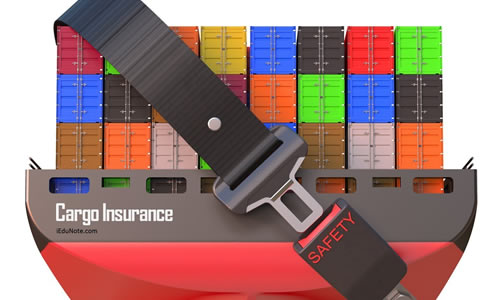
The cargo insurance protects your goods all the way to any Any FBA Warehouse

We handle all paperwork and other details for you.
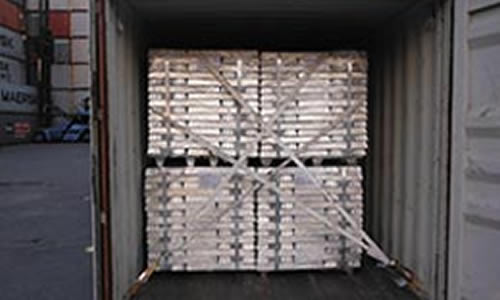
Ensure safe packaging and loading of goods in your suppliers' factory.
The shipping duration from China to Afghanistan usually spans 15 to 30 days. Air freight is faster, typically taking 7 to 10 days, while sea freight, which involves longer transit and port handling, can take up to 20 to 30 days.
Air freight from China to Afghanistan typically takes 7 to 10 days. This method is quicker compared to sea freight, which can take up to 30 days depending on various factors such as route and handling times.
Sea freight from China to Afghanistan generally takes between 20 and 30 days. The extended time frame accounts for the longer journey and potential delays at ports along the route.
Air cargo from China to Afghanistan usually arrives in about 7 to 10 days. This is a faster option compared to sea cargo, which may take significantly longer due to extended shipping routes and port delays.
The average shipping time from China to Afghanistan ranges from 15 to 30 days. Air shipments are quicker, typically taking 7 to 10 days, whereas sea shipments may take longer, up to 30 days, due to various logistical factors.
Sea freight from China to Afghanistan usually requires 20 to 30 days. This extended duration is due to the lengthy shipping route and potential delays at ports.
Shipping goods from China to Afghanistan typically takes 15 to 30 days. Air freight offers a faster transit time of 7 to 10 days, while sea freight may extend to 20 to 30 days.
Transporting cargo from China to Afghanistan generally takes 15 to 30 days. Air freight is faster, with a typical duration of 7 to 10 days, whereas sea freight can take up to 30 days.
For air freight from China to Afghanistan, the typical shipping time is about 7 to 10 days. This option is faster compared to sea freight, which may take 20 to 30 days.
The shipping period from China to Afghanistan by sea generally spans 20 to 30 days. This extended duration is due to the longer shipping route and potential port delays.
Features Availability is comprehensive and reliable, covering essential user needs with consistent performance. Core functions are easy to access, and feature distribution feels well planned. While most tools are readily available, improving visibility of advanced features could further enhance usability.

Code Quality is well structured and maintainable, with consistent logic and naming conventions. The codebase is easy to understand and extend, supported by reasonable documentation. Additional modularization and broader test coverage would further strengthen reliability.
Design Quality is clean, modern, and user-friendly. Visual elements are well balanced, with clear layouts and intuitive navigation. The design supports both usability and aesthetics, though minor refinements could add extra polish.