
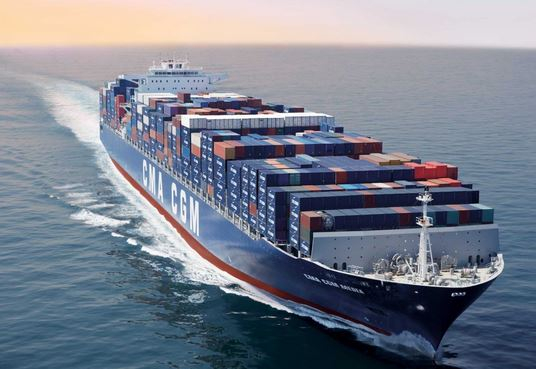
A significant portion of our clientele operates from Morocco, making it a strategically vital market for our operations. We maintain negotiated contract rates with leading carriers including COSCO, OOCL, APL, EMC, MSK, and HMM. These alliances enable us to provide exceptionally competitive pricing for shipments from China to all major Moroccan ports, such as Casablanca, Tangier Med, and Agadir.
Partnering with China Cargo Ship simplifies shipping from China to Morocco—you simply entrust your cargo to us, and we manage everything thereafter. China Cargo Ship strives to be your preferred freight forwarder from China to Morocco, delivering dependable, streamlined, and economical shipping services customized to support your commercial objectives.
China Cargo Ship delivers dependable and economical ocean freight services from China to Morocco, covering major ports including Casablanca, Tangier Med, Agadir, and Kenitra. We supply both full-container-load and less-than-container-load alternatives to suit consignments of all volumes. Leveraging established carrier relationships, we guarantee competitive pricing, consistent transit timelines, and expert cargo management throughout the journey from China to your final location in Morocco.

For urgent or premium shipments, China Cargo Ship offers expedited and adaptable air freight services to primary airports in Morocco, such as Casablanca Mohammed V International Airport (CMN) and Rabat–Salé Airport (RBA). Our specialists determine the optimal route according to priority, facilitating efficient customs processing and punctual delivery across the nation.

China Cargo Ship provides comprehensive door-to-door shipping from China to Morocco. We manage supplier collection, export paperwork, international transport, customs formalities, and final distribution to urban centers including Casablanca, Marrakech, Rabat, Tangier, Fez, Agadir, and additional locations. Our end-to-end logistics offering ensures operational ease, full transparency, and complete confidence.

FCL (Full Container Load) serves as the optimal solution for high-volume shipments destined for Morocco. With China Cargo Ship, you gain access to:
We oversee each phase—from container loading at your supplier’s location in China to ocean transport, customs clearance, and final distribution to your warehouse or specified address in Morocco. Comprehensive live tracking and complete documentation assistance are provided throughout.
Select China Cargo Ship for streamlined, dependable FCL shipping to Morocco.
LCL (Less than Container Load) shipping is an excellent choice for modest to medium-sized consignments that do not necessitate a dedicated container. With China Cargo Ship, you are billed solely for the volume your goods utilize, offering a budget-conscious and versatile shipping alternative.
We manage:
Benefiting from complete visibility and professional oversight, your consolidated shipment arrives securely and on schedule.
Opt for China Cargo Ship for economical and reliable LCL logistics to Morocco.
China Cargo Ship will provide most fuel efficient pickup service China

We provide free warehousing services for any of your goods.
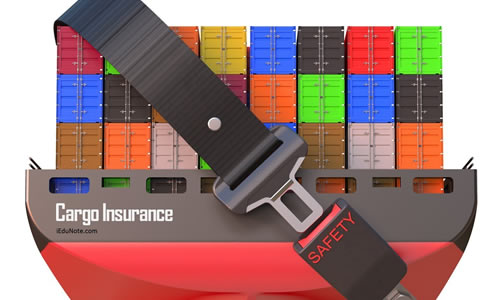
The cargo insurance protects your goods all the way to any Any FBA Warehouse

We handle all paperwork and other details for you.

Ensure safe packaging and loading of goods in your suppliers' factory.
Several factors can impact the shipping time from China to Morocco, including the chosen shipping method (sea or air), weather conditions, customs clearance procedures, and port congestion. Sea freight usually takes longer, typically 25-35 days, while air freight is faster but more expensive, taking around 5-10 days. Delays at ports due to congestion or customs inspections can also extend the shipping duration. Proper documentation and efficient logistics planning can help mitigate some of these delays.
The two primary shipping methods from China to Morocco are sea freight and air freight. Sea freight is more cost-effective for large shipments, usually taking 25-35 days. Air freight is faster, typically taking 5-10 days, but is more expensive and suited for smaller, urgent shipments. Each method has its advantages and is chosen based on the shipment's size, urgency, and budget considerations.
Shipping insurance is crucial for international shipments from China to Morocco as it protects against potential losses or damages during transit. It covers various risks, including theft, damage, and loss due to natural disasters. By ensuring the shipment, businesses can safeguard their investment, ensuring financial compensation in case of any mishaps. This is particularly important for high-value or fragile goods, providing peace of mind and reducing potential financial risks.
Key documents for shipping goods from China to Morocco include the bill of lading, commercial invoice, packing list, certificate of origin, and customs declaration forms. These documents facilitate customs clearance and ensure compliance with international trade regulations. Accurate and complete documentation helps avoid delays and penalties, streamlining the shipping process and ensuring the timely delivery of goods.
Port congestion can significantly impact shipping times from China to Morocco by causing delays in loading and unloading cargo. Congested ports may lead to extended waiting times for vessels, delaying the overall transit time. This can disrupt supply chains and increase shipping costs. Efficient port management and alternative routing can help mitigate the effects of congestion, ensuring smoother and more reliable shipping schedules.
Shipping costs from China to Morocco are influenced by factors such as the shipping method (sea or air), shipment size and weight, distance, and any additional services like insurance or expedited shipping. Sea freight is generally more economical for large shipments, while air freight is costlier but faster. It's essential to consider these factors and budget accordingly to optimize shipping expenses without compromising on delivery timelines.
Customs regulations play a crucial role in shipments from China to Morocco, impacting clearance times and costs. Compliance with import/export regulations, accurate documentation, and adherence to duties and taxes are essential to avoid delays and penalties. Understanding and preparing for these regulations ensures smoother customs clearance and timely delivery of goods, enhancing overall shipping efficiency.
Using a freight forwarder for shipping from China to Morocco offers numerous benefits, including expertise in logistics, efficient handling of documentation, and streamlined customs clearance. Freight forwarders can negotiate better shipping rates, provide tracking services, and manage the entire shipping process, ensuring timely and cost-effective delivery. Their experience in international shipping helps mitigate risks and enhances overall efficiency.
Commonly shipped goods from China to Morocco include electronics, textiles, machinery, furniture, and automotive parts. These goods are transported via sea or air freight, depending on their size, value, and urgency. The diverse range of products reflects the robust trade relationship between the two countries, with businesses relying on efficient shipping solutions to meet demand and maintain supply chain continuity.
To ensure timely delivery of shipments from China to Morocco, businesses should choose the appropriate shipping method, ensure accurate documentation, and work with reliable logistics providers. Planning ahead, monitoring shipments, and staying informed about potential delays (such as port congestion or customs issues) are crucial. Utilizing the services of a freight forwarder can also enhance efficiency and reliability, ensuring shipments arrive on schedule.
Design Quality is clean, modern, and user-friendly. Visual elements are well balanced, with clear layouts and intuitive navigation. The design supports both usability and aesthetics, though minor refinements could add extra polish.

Code Quality is well structured and maintainable, with consistent logic and naming conventions. The codebase is easy to understand and extend, supported by reasonable documentation. Additional modularization and broader test coverage would further strengthen reliability.

Features Availability is comprehensive and reliable, covering essential user needs with consistent performance. Core functions are easy to access, and feature distribution feels well planned. While most tools are readily available, improving visibility of advanced features could further enhance usability.