
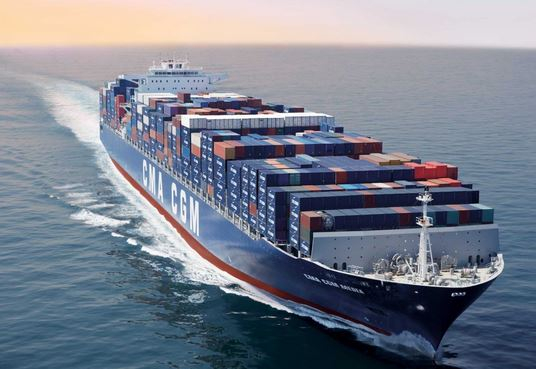
A significant portion of our clientele operates from Rwanda, establishing it as an important and expanding market for China Cargo Ship. We maintain negotiated rates with leading international carriers including COSCO, OOCL, APL, EMC, MSK, and HMM, allowing us to provide highly competitive pricing for shipments from China to any port in Rwanda.
Partnering with China Cargo Ship simplifies shipping from China to Rwanda. Entrust your cargo to us, and our skilled team will oversee every aspect for you, including collection, export procedures, customs clearance, and inland distribution across Rwanda. China Cargo Ship is dedicated to being your most dependable freight forwarder from China to Rwanda.
Request a competitive quote now and experience a seamless and efficient shipping process with China Cargo Ship.
We offer competitive ocean freight pricing and dependable shipping options aligned with your specified transit schedule when transporting goods from China to Rwanda. China Cargo Ship delivers seamless coordination through neighboring seaports and efficient multimodal connections to inland destinations across Rwanda.

We will choose the most appropriate airline for your consignment based on your schedule and budget. China Cargo Ship guarantees rapid, dependable, and secure air freight services from China to Rwanda, providing your cargo with the speed and reliability it requires.

Whether for commercial or personal shipments, we provide a fully integrated door-to-door service from China to Rwanda. This encompasses collection, export processing, customs clearance, and final delivery to your specified location—delivering a seamless, effortless logistics journey with China Cargo Ship.

China Cargo Ship delivers dependable and economical FCL (Full Container Load) solutions for businesses transporting substantial volumes of goods from China to Rwanda. We maintain long-term negotiated rates with leading carriers, enabling us to secure competitive pricing and consistent weekly sailings through nearby seaports such as Dar es Salaam and Mombasa prior to onward distribution to Kigali or other inland destinations. Whether you require 20GP, 40GP, or 40HQ containers, our team oversees the complete process—including collection, export documentation, customs clearance, and coordinated inland transport—guaranteeing a seamless, predictable, and effortless FCL shipping journey.
For shipments that do not require a dedicated container, our LCL (Less than Container Load) service delivers an adaptable, economical, and secure solution from China to Rwanda. We consolidate your cargo in our certified warehouses across China and organize scheduled LCL departures through East African gateway ports, providing reliable transit schedules and comprehensive tracking throughout the journey. China Cargo Ship also facilitates destination handling, customs clearance, and final inland distribution to Kigali or other urban centers, ensuring your goods arrive safely and efficiently without the higher expense of a full container. LCL is an ideal option for small to medium enterprises, mixed consignments, or lower-volume cargo.
China Cargo Ship will provide most fuel efficient pickup service China
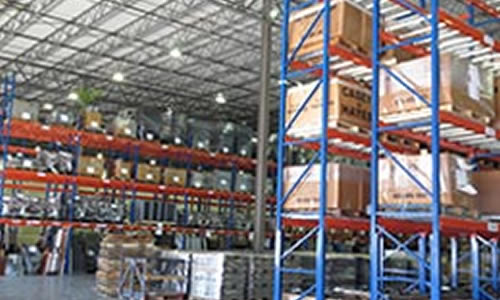
We provide free warehousing services for any of your goods.
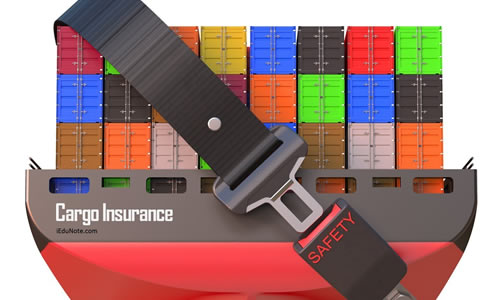
The cargo insurance protects your goods all the way to any Any FBA Warehouse

We handle all paperwork and other details for you.
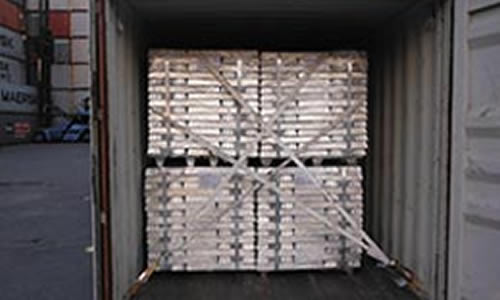
Ensure safe packaging and loading of goods in your suppliers' factory.
Air freight costs are generally higher than sea freight and depend on the weight and volume of the cargo. Typically, air freight costs range from tens to several hundred dollars per kilogram. For precise pricing, it’s best to consult with a logistics company or freight forwarder, as fees can vary based on fuel surcharges and additional charges.
Sea freight from China to Rwanda usually takes 4 to 8 weeks, while air freight takes about 1 week. Sea freight is more cost-effective but slower, whereas air freight is faster but more expensive. The choice between these methods depends on the urgency and budget for the shipment.
Customs clearance time can vary but generally takes between a few days to a week. Factors affecting this include the type of goods, completeness of documentation, and any potential issues with import regulations. Delays can occur if there are discrepancies or additional inspections required.
Yes, Rwanda imposes import duties and taxes on goods entering the country. The rates depend on the type of product and its classification under the Harmonized System (HS) code. Importers should check with Rwandan customs or a customs broker for the exact duties applicable to their specific goods.
Rwanda is a landlocked country, so shipments typically enter through neighboring countries. Major transit ports include the Port of Dar es Salaam in Tanzania and the Port of Mombasa in Kenya. Goods are then transported by road or rail to Rwanda.
Yes, most logistics companies and freight forwarders offer tracking services for shipments. You can track your cargo using a tracking number provided by the shipping company. Tracking information is usually available online through the logistics provider’s website.
The most common shipping methods include sea freight, air freight, and rail transport. Sea freight is used for large and less time-sensitive shipments, while air freight is preferred for urgent and high-value goods. Rail transport is less common but can be used for certain types of cargo.
Required documents generally include a commercial invoice, packing list, bill of lading (for sea freight) or air waybill (for air freight), and a certificate of origin. Depending on the nature of the goods, additional documents such as health certificates or permits might be needed.
Risks include potential delays due to customs issues, weather conditions, or transportation disruptions. There is also a risk of damage or loss of goods. To mitigate these risks, it is advisable to choose reliable logistics providers, ensure proper insurance coverage, and track shipments regularly.
To reduce shipping costs, consider consolidating shipments to maximize container space, using sea freight instead of air freight for non-urgent items, and negotiating rates with logistics providers. Additionally, ensuring that all documentation is accurate and complete can help avoid delays and extra fees.
Design Quality is clean, modern, and user-friendly. Visual elements are well balanced, with clear layouts and intuitive navigation. The design supports both usability and aesthetics, though minor refinements could add extra polish.
Code Quality is well structured and maintainable, with consistent logic and naming conventions. The codebase is easy to understand and extend, supported by reasonable documentation. Additional modularization and broader test coverage would further strengthen reliability.

Customer Support is responsive, professional, and helpful. The team provides clear communication and practical solutions, resolving most issues efficiently. Support channels are easy to reach, though faster responses during peak periods would improve the overall experience.