
Expert Guide to Shipping Cargo from China to USA: Costs and Times
Moving cargo from china usa requires a strategic approach to balance speed and budget. Business owners often face complex logistics hurdles, but choosing the right freight partner simplifies the entire process. China Cargo Ship offers comprehensive solutions tailored to your specific supply chain needs. Furthermore, understanding the nuances of international trade ensures your goods arrive safely and on schedule. We provide the expertise needed to navigate the evolving landscape of global trade routes efficiently.
What are the Primary Methods for Moving Cargo from China to USA?
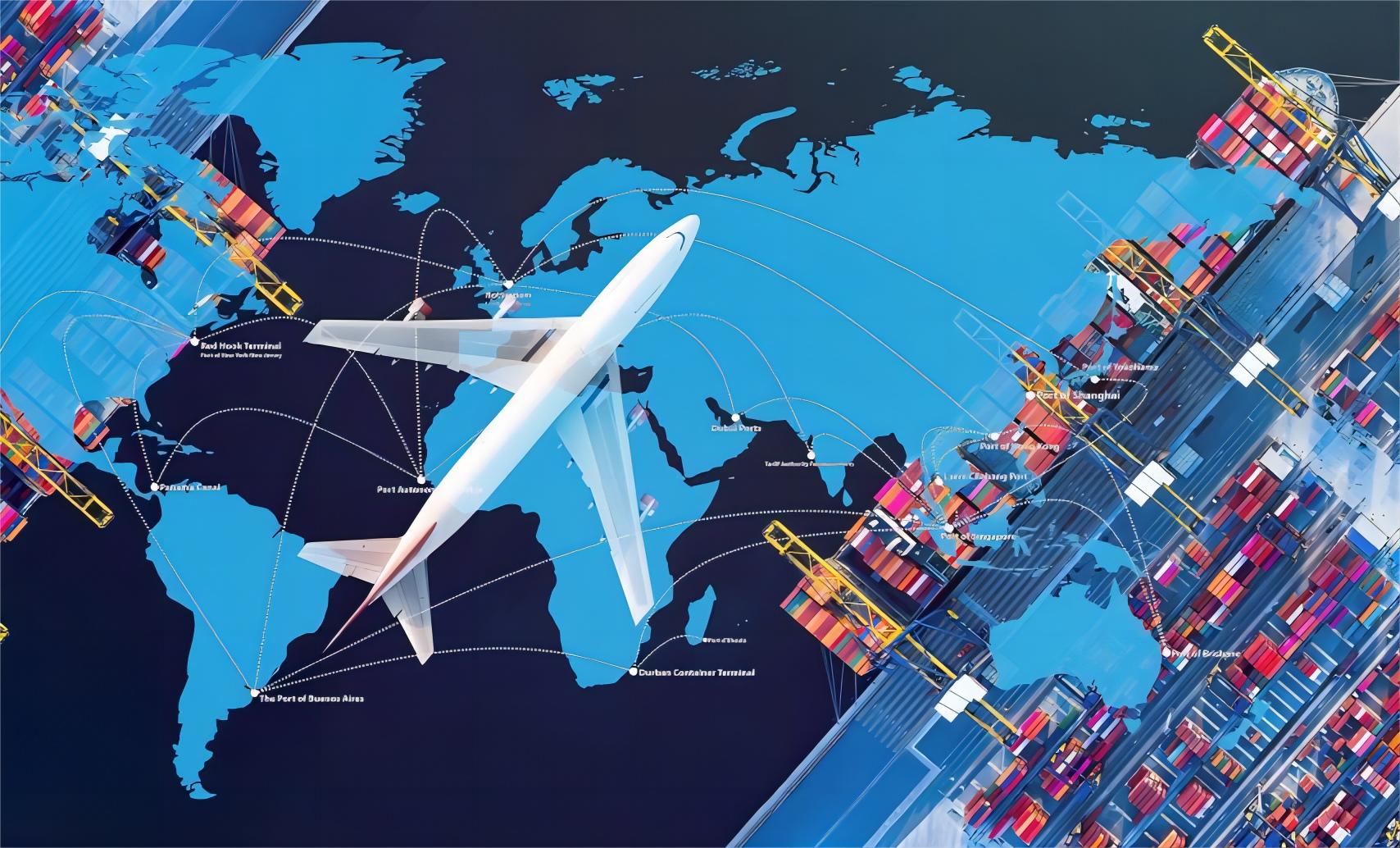
Selecting the right transportation mode is the first critical step in your logistics journey. Most importers choose between sea freight and air freight based on their specific timeline and budget constraints. Indeed, each method offers distinct advantages depending on the volume and nature of your goods.
Sea freight remains the most popular choice for large-scale shipments due to its cost-effectiveness. Consequently, businesses shipping heavy machinery or bulk consumer goods rely on ocean carriers to maintain their profit margins. On the other hand, air freight provides the speed necessary for high-value electronics or urgent inventory restocks. Therefore, you must evaluate the trade-off between transit time and total landed cost before making a final decision.
Moreover, the choice between Full Container Load (FCL) and Less than Container Load (LCL) significantly impacts your bottom line. If you have enough goods to fill a 20ft or 40ft container, FCL is typically more secure and faster. However, LCL allows smaller businesses to share container space, making international trade accessible for lower volumes. Additionally, specialized services like refrigerated containers are available for perishable items requiring strict temperature control.
How Much Does Shipping Cargo from China to USA Cost in 2025?
Understanding current market rates is essential for accurate financial planning and budgeting. As of early 2025, ocean freight rates have stabilized following the volatility seen in previous years. Nevertheless, seasonal fluctuations and fuel surcharges continue to influence the final price you pay. For instance, rates typically climb during the peak season from August to October as retailers prepare for the holidays.
Specifically, shipping a 40HQ container from Shanghai to Los Angeles currently ranges between 2,800 and 3,800 USD. In contrast, shipping to East Coast ports like New York or Savannah is more expensive due to the longer distance and Canal fees. Accordingly, importers often choose West Coast ports and use rail transport to move goods inland to save money. Meanwhile, air freight rates usually fluctuate between 5 and 9 USD per kilogram depending on the urgency and weight.
In addition to base freight rates, you must account for various local charges and surcharges. These include Terminal Handling Charges (THC), documentation fees, and potential demurrage if your cargo stays at the port too long. Furthermore, customs duties and taxes are calculated based on the Harmonized System (HS) code of your products. To summarize, always request a comprehensive quote that includes all potential line items to avoid hidden expenses.
| Route | 20GP Container | 40HQ Container | Transit Time |
|---|---|---|---|
| China to USA West Coast | 1,500 – 2,200 USD | 2,800 – 3,800 USD | 14 – 18 Days |
| China to USA East Coast | 2,500 – 3,500 USD | 4,500 – 6,000 USD | 30 – 35 Days |
| China to US Gulf Coast | 2,200 – 3,000 USD | 4,000 – 5,200 USD | 25 – 30 Days |
How Long is the Transit Time for Cargo from China to USA?
Timing is everything in modern supply chain management, especially with the rise of just-in-time manufacturing. Generally, the port-to-port transit time from China to the US West Coast is the fastest, taking roughly two weeks. However, this does not include the time required for loading at the origin or customs clearance at the destination. Consequently, you should plan for a total door-to-door timeline of 25 to 35 days for ocean shipments.
Shipping to the East Coast via the Panama Canal naturally takes longer, often spanning 30 to 40 days. In contrast, air freight can deliver your goods in as little as 3 to 7 days, including processing time. Thus, air transport is the logical choice for seasonal fashion or high-demand tech launches. Additionally, express services can further reduce this window for small parcels or critical documents.
Nevertheless, external factors like port congestion or weather conditions can lead to unexpected delays. For example, winter storms in the Pacific or labor negotiations at major ports can disrupt even the most carefully planned schedules. Therefore, maintaining a buffer in your delivery schedule is a wise strategy for any importer. Indeed, real-time tracking tools now allow you to monitor your cargo’s progress and react quickly to any deviations.
How Does Sea Freight Compare to Other Shipping Options?
Comparing sea freight to alternatives is vital for optimizing your logistics strategy. While ocean transport is the backbone of global trade, other methods like air freight and express services offer unique benefits. For instance, air freight is significantly more expensive but offers unmatched speed and security for delicate items. On the other hand, sea freight handles massive volumes that would be physically impossible or cost-prohibitive via air.
Furthermore, you should consider the difference between direct routes and transshipment options. Direct routes are faster and involve less handling, which reduces the risk of damage to your cargo. However, transshipment through hubs like Busan or Kaohsiung can sometimes offer lower rates for non-urgent shipments. Consequently, your choice depends on whether you prioritize cost savings or transit speed.
Another alternative is the sea-air hybrid solution, which combines the cost-efficiency of ocean freight with the speed of air transport. In this scenario, goods are shipped by sea to a mid-way hub and then flown to the final destination. This approach often saves 30 percent compared to pure air freight while being twice as fast as pure sea freight. Accordingly, hybrid solutions are becoming increasingly popular for mid-value goods with moderate urgency.
| Shipping Method | Cost Range | Transit Time | Best For |
|---|---|---|---|
| Sea Freight (FCL) | 3,000 – 6,000 USD | 18 – 40 Days | Large inventory |
| Air Freight | 5 – 9 USD/kg | 3 – 7 Days | High-value goods |
| Express Service | 8 – 15 USD/kg | 2 – 5 Days | Small samples |
| LCL Shipping | 50 – 150 USD/CBM | 20 – 45 Days | Small businesses |
Which Option Should You Choose?
Choosing the right shipping method requires a clear understanding of your business priorities. If your primary goal is to minimize costs and you are shipping more than 15 cubic meters, FCL sea freight is the clear winner. Conversely, if you are shipping small volumes under 200 kilograms, express or air freight will likely be more efficient. Therefore, you must weigh your budget against your customer’s expectations for delivery speed.
Cargo type also plays a significant role in this decision-making process. For example, hazardous materials or oversized machinery require specialized handling that only certain ocean carriers provide. Meanwhile, high-security items like jewelry or sensitive electronics are better suited for the controlled environment of air transport. Additionally, consider the shelf life of your products, as perishable goods necessitate the fastest possible routes.
Specifically, for Amazon FBA sellers, the choice often comes down to a mix of methods to balance inventory levels. Many successful sellers use sea freight for their main stock while keeping a small portion in air transit to prevent stockouts. To summarize, a diversified logistics strategy often provides the best resilience against market disruptions and fluctuating demand.
What Documents are Required for Customs Clearance?
Navigating the legal requirements of international trade is perhaps the most daunting part of the process. Every shipment of cargo from china usa must be accompanied by a specific set of documents to pass through US Customs. Specifically, you will need a Commercial Invoice, a Packing List, and a Bill of Lading or Air Waybill. Furthermore, an Arrival Notice will be issued by the carrier once the goods reach the destination port.
In addition to these standard forms, certain products require specialized certificates. For instance, FDA-regulated goods or FCC-compliant electronics need additional filings to prove they meet US safety standards. Consequently, working with a professional customs brokerage service is highly recommended to ensure compliance. They can help you classify your goods correctly and avoid costly penalties or shipment seizures.
Moreover, the Importer Security Filing (ISF), also known as 10 plus 2, must be submitted at least 24 hours before the cargo is loaded in China. Failure to file this on time can result in significant fines and mandatory inspections. Accordingly, you should ensure your freight forwarder is proactive in managing these timelines. To summarize, meticulous documentation is the key to a smooth and predictable customs clearance experience.

How Can You Reduce Your Total Landed Cost?
Optimizing your supply chain can lead to significant savings over the long term. One effective strategy is to utilize door to door shipping services, which consolidate all costs into a single rate. This approach reduces the administrative burden and often prevents unexpected local handling fees. Additionally, consolidating shipments from multiple suppliers into a single container can drastically lower your per-unit shipping cost.
Another way to save is by improving your product packaging to maximize container space utilization. Since ocean freight is often charged by volume, reducing wasted air inside your boxes directly translates to lower freight bills. Furthermore, choosing off-peak shipping dates can help you secure more competitive rates from carriers. For example, shipping immediately after the Chinese New Year often results in lower prices as demand temporarily dips.
Finally, always verify your HS codes to ensure you are not overpaying on import duties. Many products qualify for lower duty rates if they are classified correctly under the latest tariff schedules. Meanwhile, consider using a customs bond to streamline the entry process and avoid paying individual entry bonds for every shipment. Indeed, small adjustments in your logistics planning can lead to substantial improvements in your overall profitability.
Case Studies: Real-World Logistics Scenarios
Case Study 1: Electronics Distribution to California. Route: Shenzhen to Los Angeles. Cargo: Consumer electronics, 65 CBM, 12,000 kg. Container: 1 x 40HQ. Shipping Details: Direct service via major carrier. Cost Breakdown: Ocean Freight 3,200 USD, Origin Charges 450 USD, Destination Charges 600 USD, Customs and Duties 1,200 USD. Total Landed Cost: 5,450 USD. Timeline: 16 days sea transit, 22 days door-to-door. Key Insight: Using a direct route to the West Coast saved 10 days compared to transshipment.
Case Study 2: Furniture Import to New York. Route: Ningbo to New York. Cargo: Wooden furniture, 28 CBM, 8,500 kg. Container: 1 x 20GP. Shipping Details: Transshipment via Panama Canal. Cost Breakdown: Ocean Freight 2,800 USD, Origin Charges 400 USD, Destination Charges 750 USD, Customs and Duties 900 USD. Total Landed Cost: 4,850 USD. Timeline: 32 days sea transit, 41 days door-to-door. Key Insight: Planning 3 months in advance allowed the client to lock in lower rates before the peak season price hike.
Case Study 3: Urgent Apparel Restock. Route: Shanghai to Chicago. Cargo: Seasonal clothing, 2 CBM, 450 kg. Method: Air Freight. Cost Breakdown: Air Freight 3,150 USD, Documentation 150 USD, Delivery 200 USD. Total Landed Cost: 3,500 USD. Timeline: 5 days total door-to-door. Key Insight: While expensive, air freight prevented a stockout during a major sales event, preserving the brand’s reputation and revenue.
Market Intelligence and Future Logistics Trends
Staying informed about industry trends helps you anticipate changes in the shipping landscape. As of Q1 2025, freight rates from China to the USA have reached a new equilibrium after the disruptions of previous years. However, environmental regulations are beginning to influence carrier operations and pricing structures. Specifically, the maritime industry’s shift toward greener fuels may lead to new environmental surcharges in the coming months.
Digitalization is also transforming how cargo from china usa is managed and tracked. Many carriers now offer blockchain-based documentation and AI-driven route optimization to improve efficiency. Consequently, importers who embrace these technologies can benefit from greater transparency and more accurate delivery estimates. Furthermore, the growth of e-commerce continues to drive demand for faster last-mile delivery solutions across North America.
In addition, geopolitical factors remain a primary driver of logistics strategy and cost. Trade agreements and tariff updates can change the financial viability of certain products overnight. Therefore, maintaining a flexible supply chain with multiple sourcing and shipping options is more important than ever. To summarize, the most successful importers are those who remain agile and well-informed about global market conditions.
Final Strategies for Shipping Success
Success in international shipping depends on a combination of thorough planning and reliable partnerships. Always choose a freight forwarder with a strong presence in both China and the United States to ensure seamless communication. Additionally, consider using express service for your most time-sensitive samples or small-batch orders. This ensures you can test the market without committing to large-scale ocean shipments.
Moreover, insurance is a non-negotiable component of a professional logistics strategy. While carriers have limited liability, a comprehensive cargo insurance policy protects your investment against theft, damage, or loss at sea. Indeed, the peace of mind provided by insurance far outweighs the relatively small cost of the premium. Finally, always maintain open lines of communication with your suppliers in China to ensure goods are ready for pickup exactly when the carrier arrives.
Summary of Shipping Cargo from China to the USA
Navigating the complexities of cargo from china usa requires a deep understanding of methods, costs, and regulations. By choosing between sea and air freight based on your specific needs, you can balance speed and expenditure effectively. Furthermore, leveraging professional services for customs and door-to-door delivery minimizes risks and administrative burdens. To summarize, the key to success lies in meticulous planning, accurate documentation, and choosing the right logistics partner. As the market continues to evolve in 2025, staying informed and agile will ensure your business remains competitive in the global marketplace.

Ready to streamline your logistics?
Ready to streamline your cargo from china usa logistics? Contact the experts at China Cargo Ship today for a personalized quote and professional guidance. Visit our website to learn more and send an inquiry for the most competitive market rates available. Our team is standing by to optimize your supply chain and ensure your goods arrive on time and within budget.
Request Quote